
San Diego Zoo Safari Park
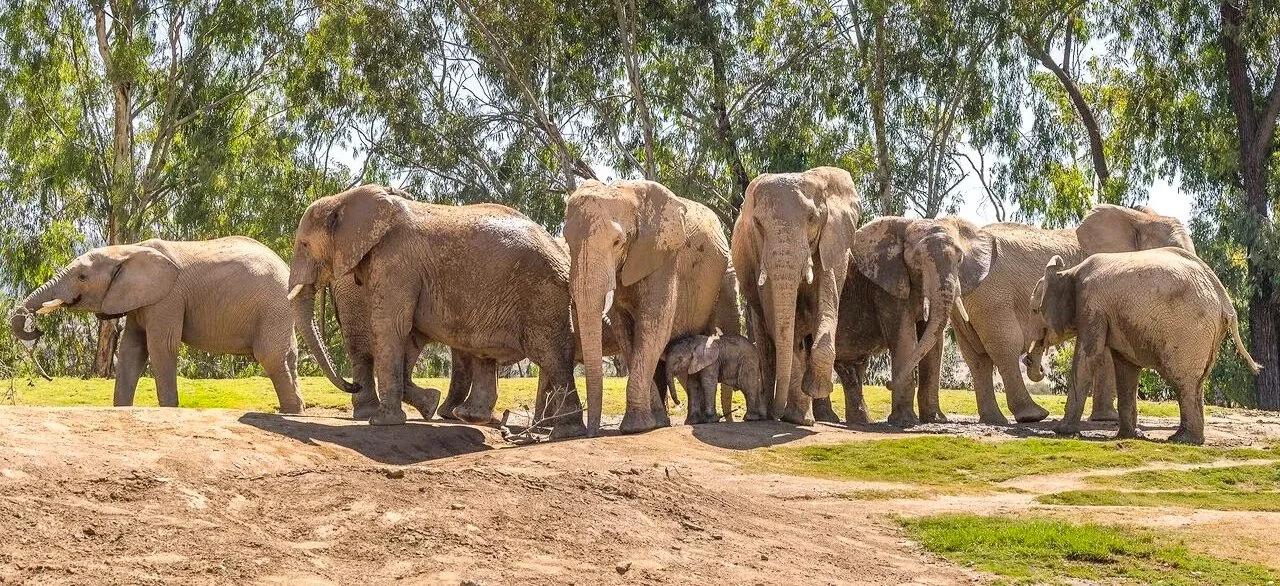
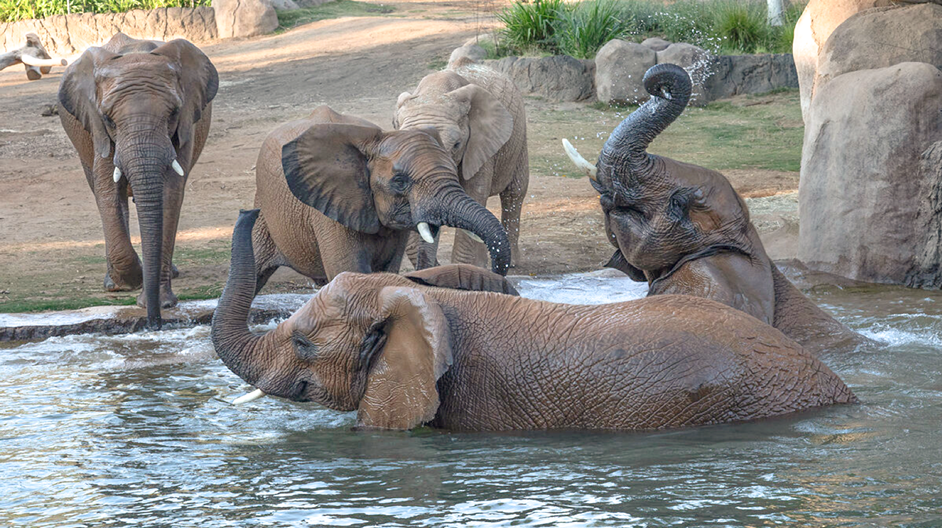
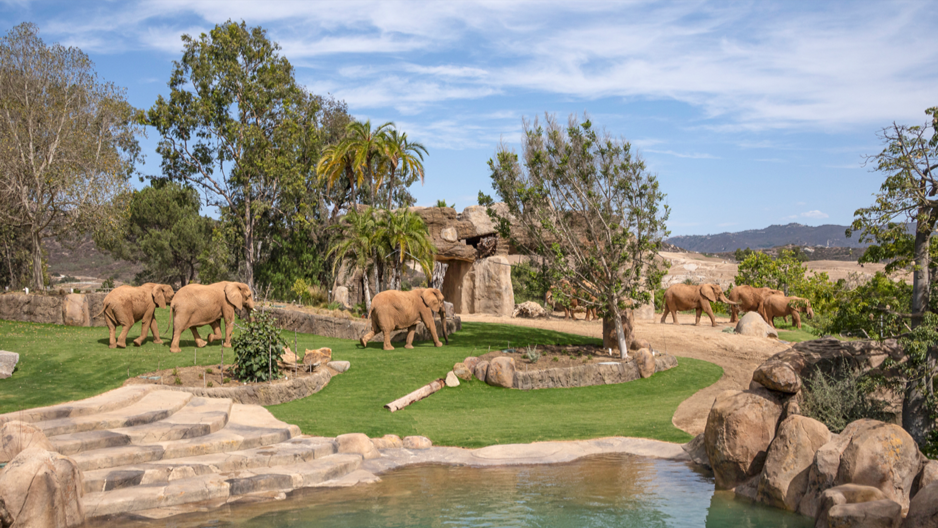
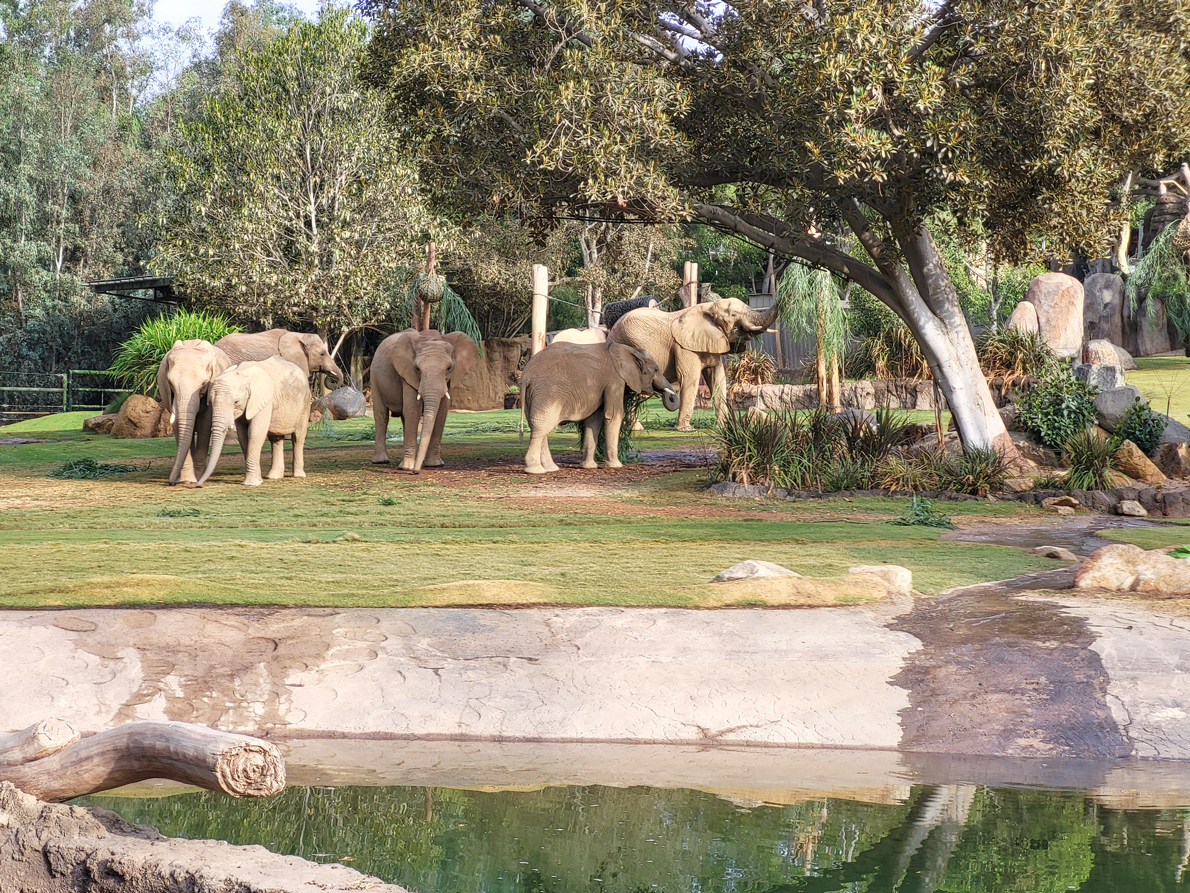
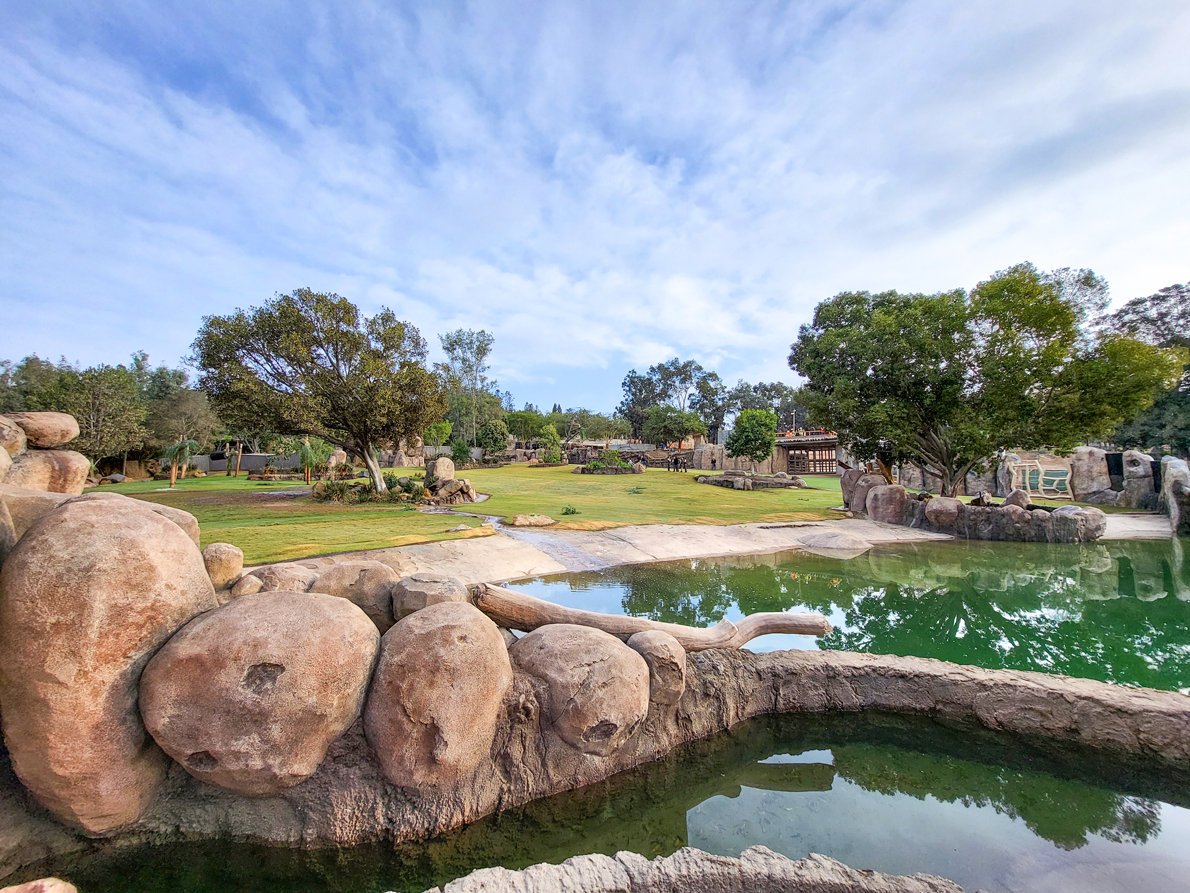
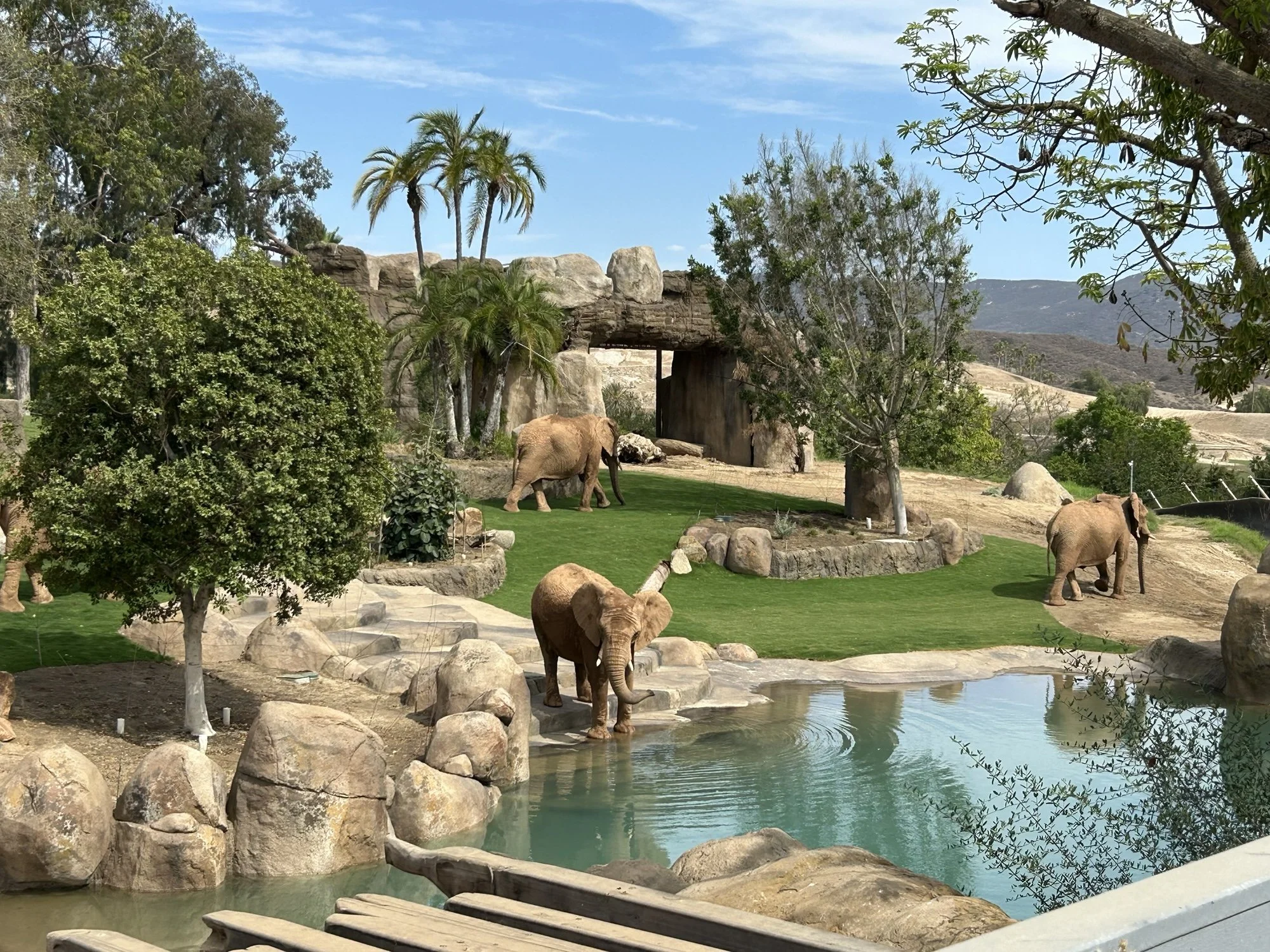
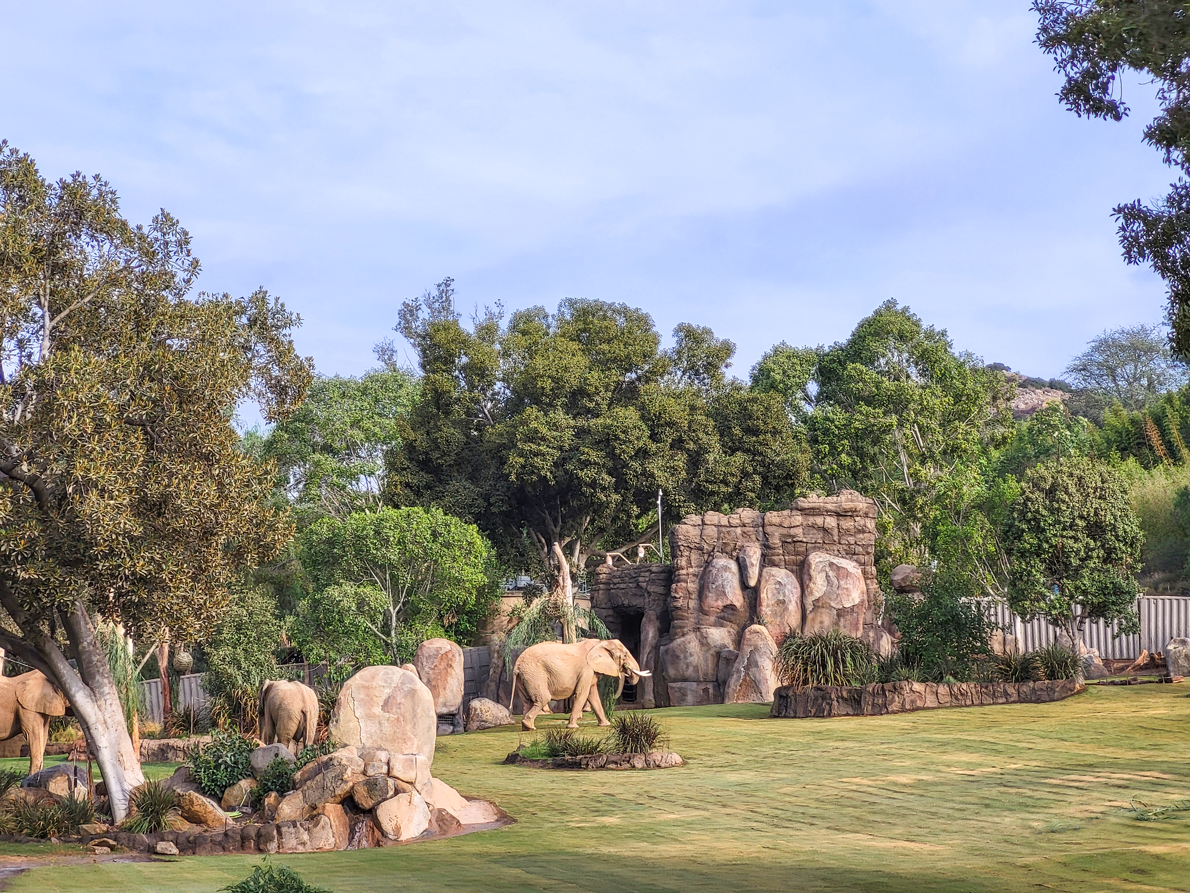
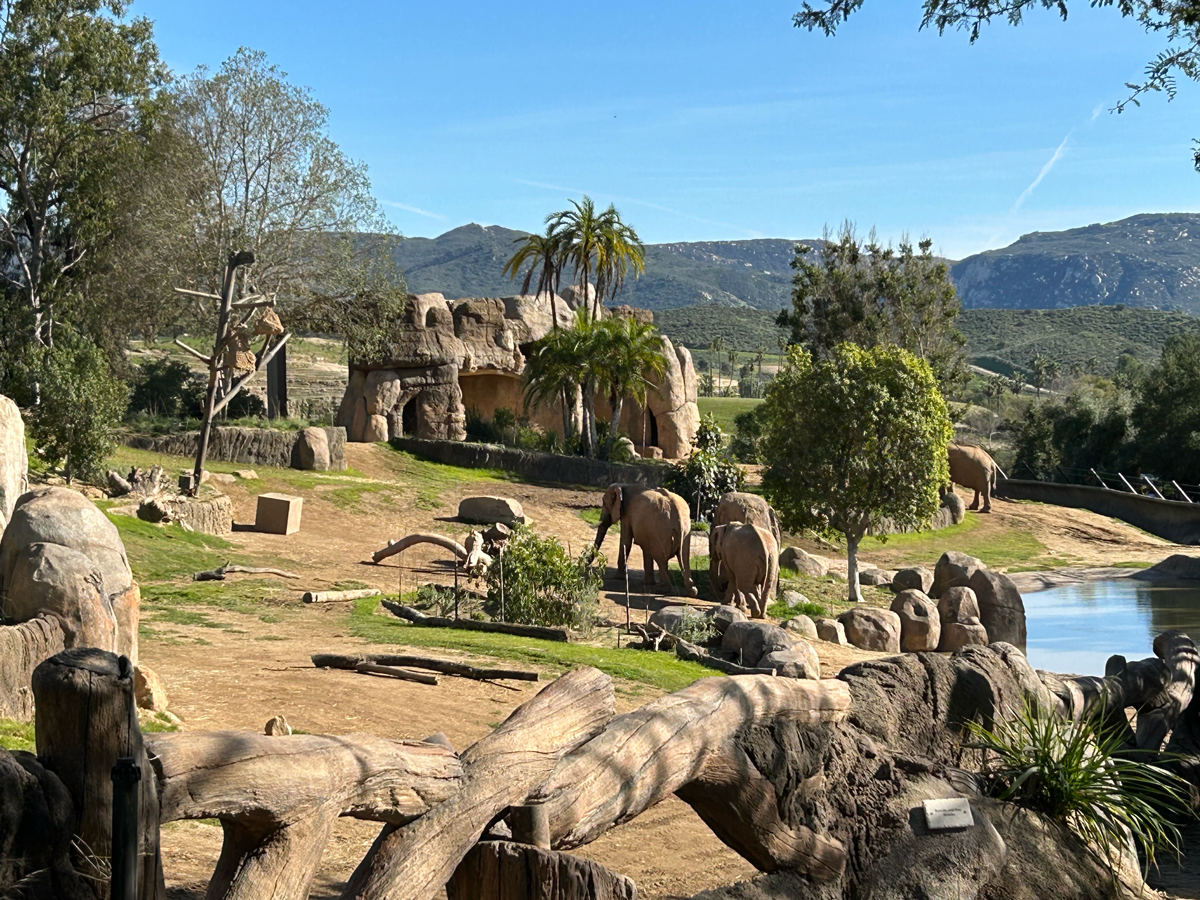
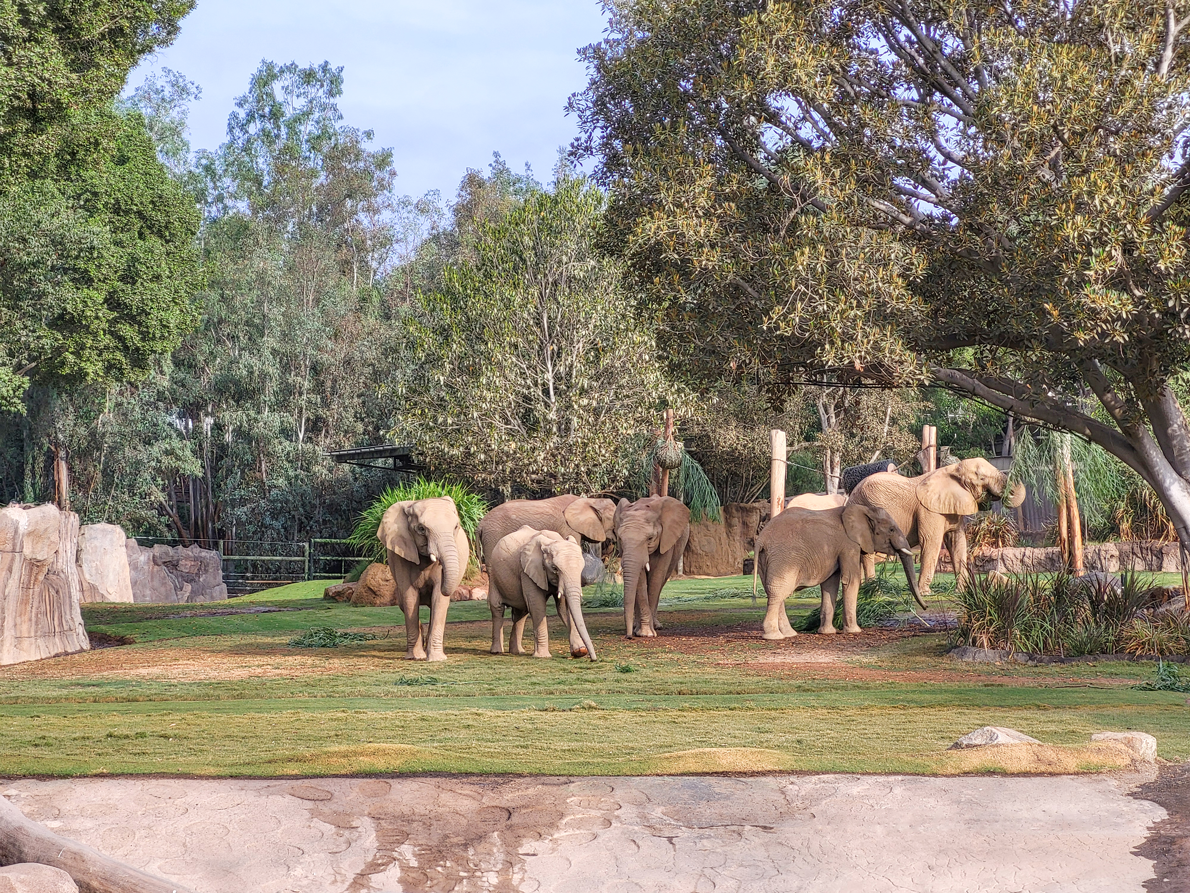
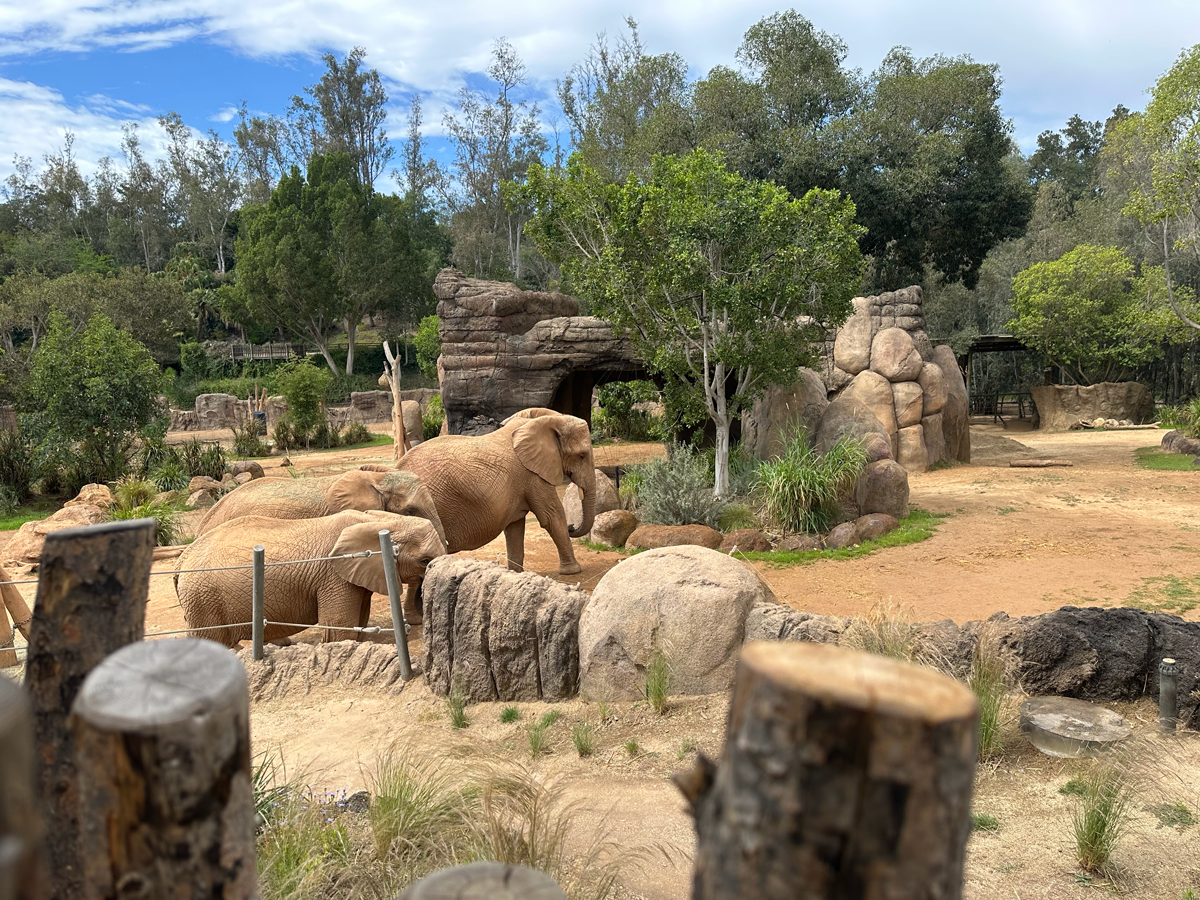
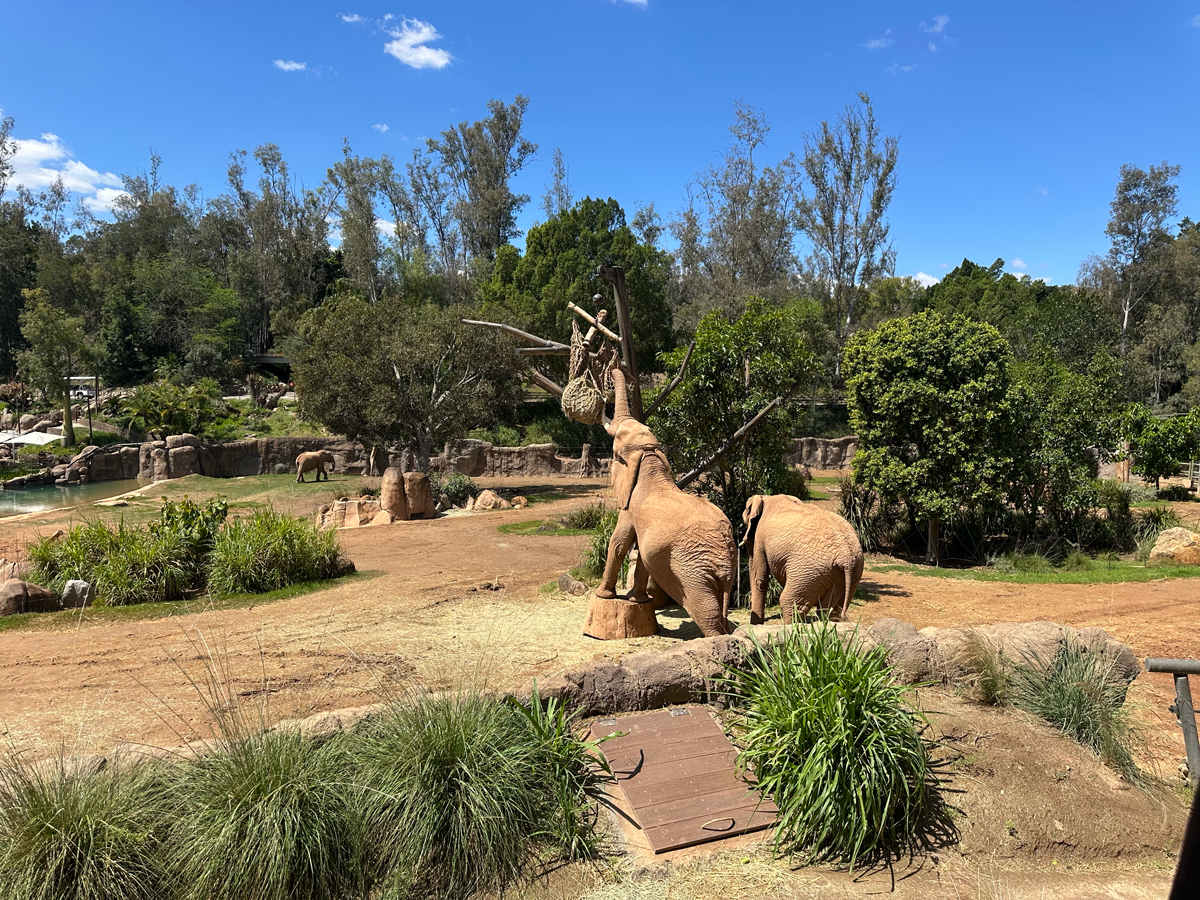
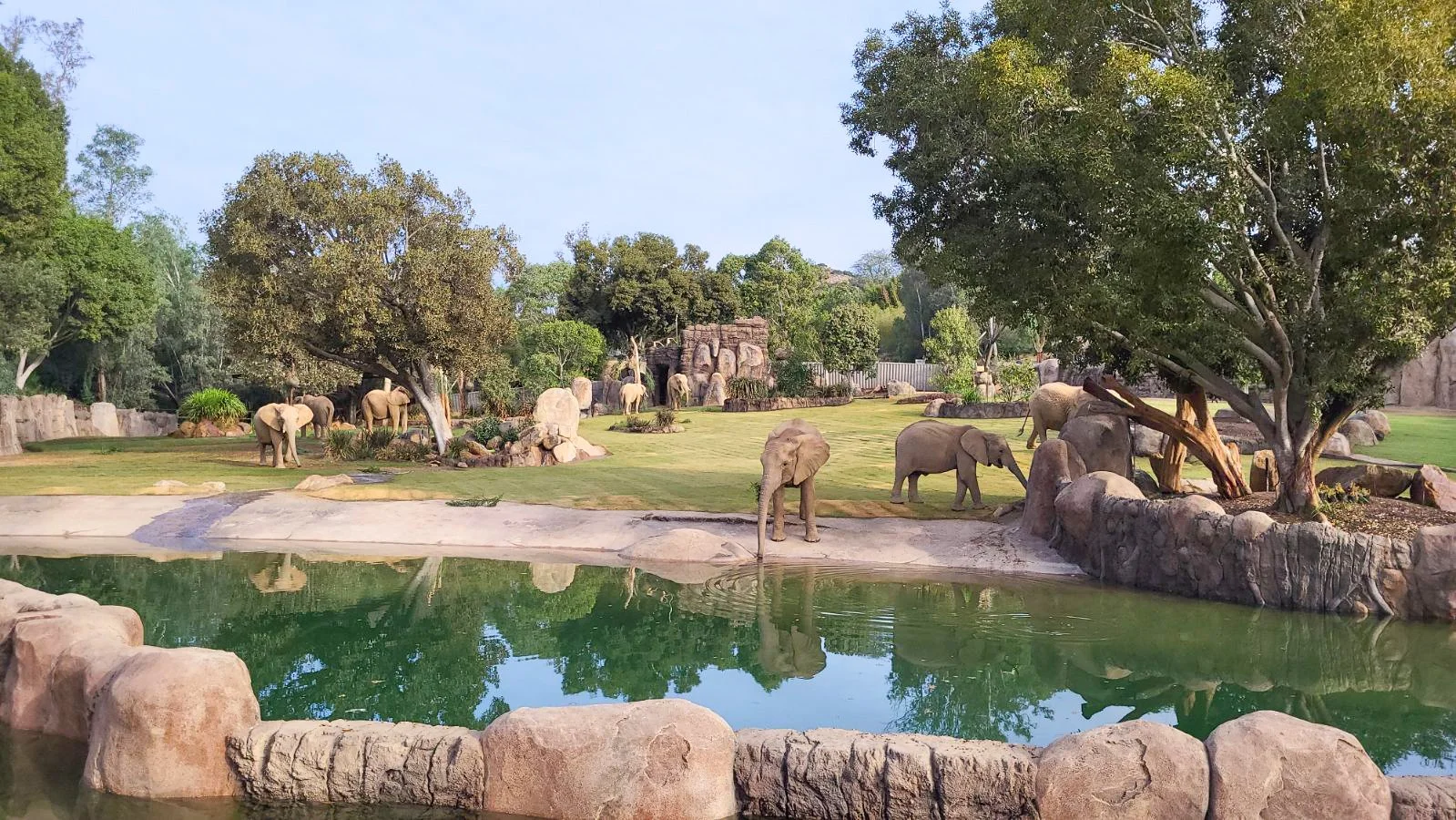
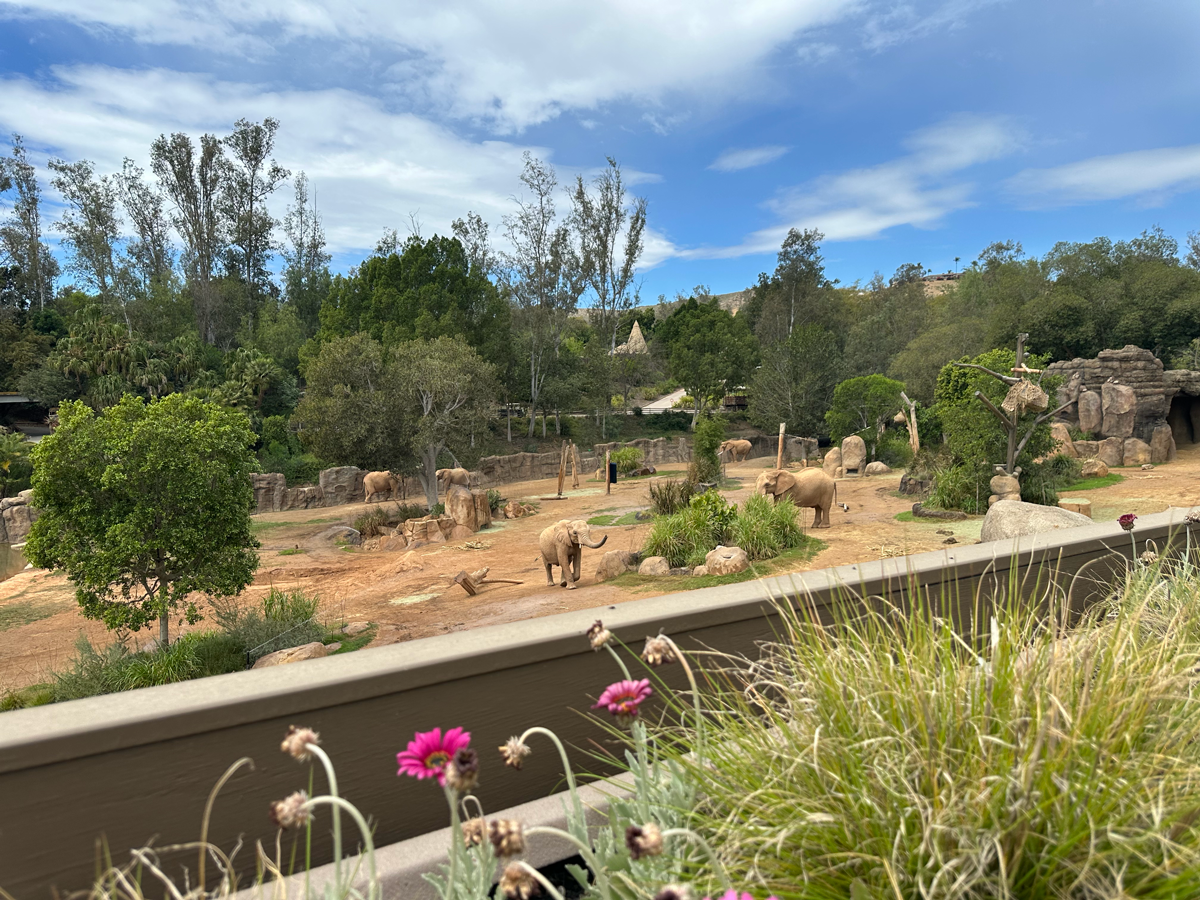
These huge, majestic, intelligent animals have a new home. What was a dry, dusty landscape with few trees, random spotty grasses and large imposing elephant barns has been transformed into a lovely, expansive African Savannah. Deneen Powell Atelier, Inc. (DPA) spent eight incredible years designing this new exhibit – documented with sheets and sheets of tracing paper sketch plans; loads and loads of hand sketches; pages and pages of concept drawings and hundreds of sheets of detailed working drawings. Designing and balancing views and vistas, hiding existing unsightly barns, bridges, and menacing gates while providing the elephants a beautiful habitat with room to roam, pools to swim, mud wallows to roll in, and loads of interactive opportunities — fling dirt; roam as a herd; or meander into the distance for moments of solitude.
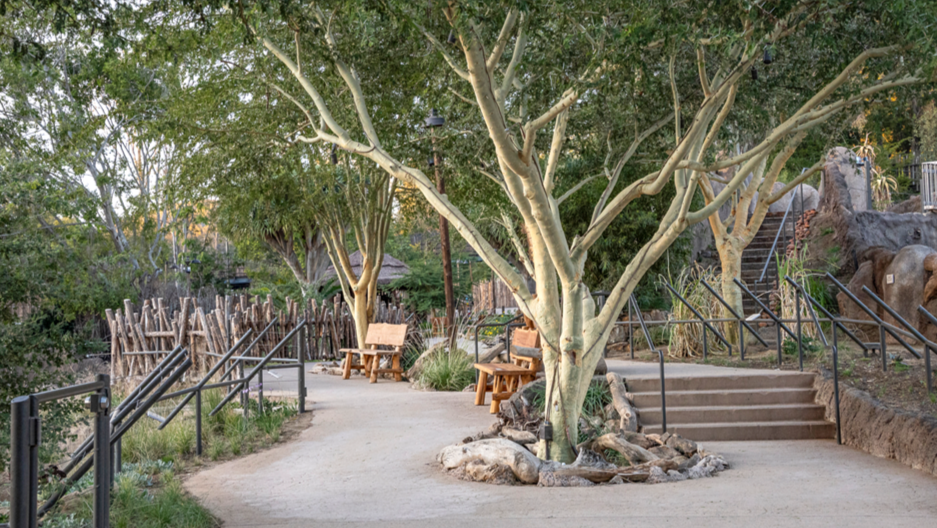
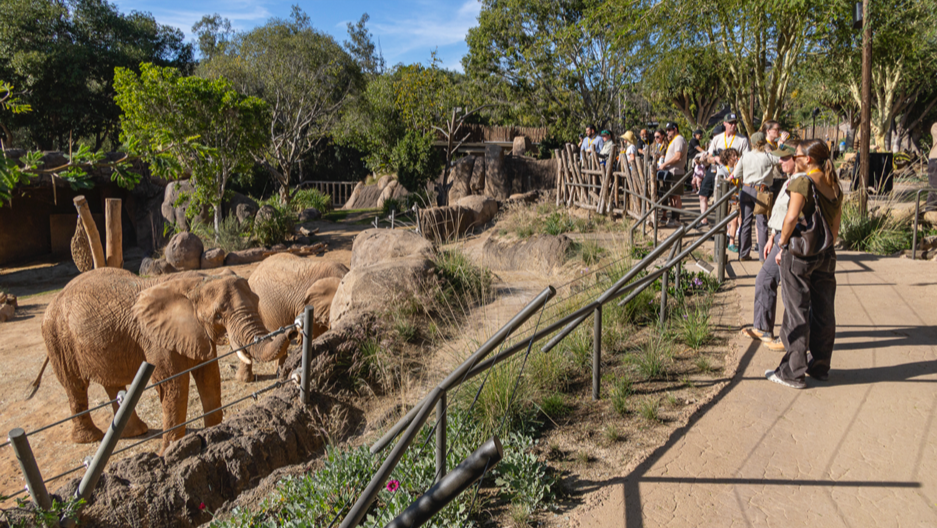
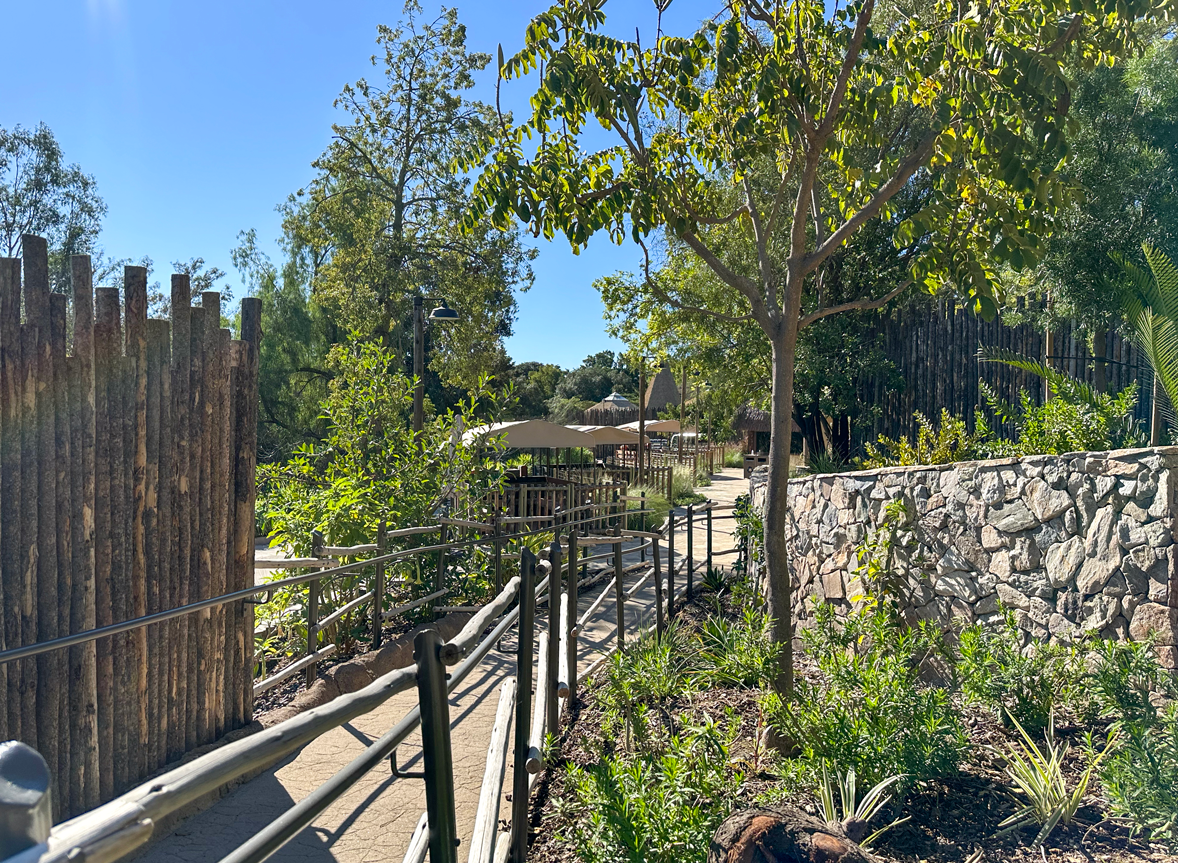
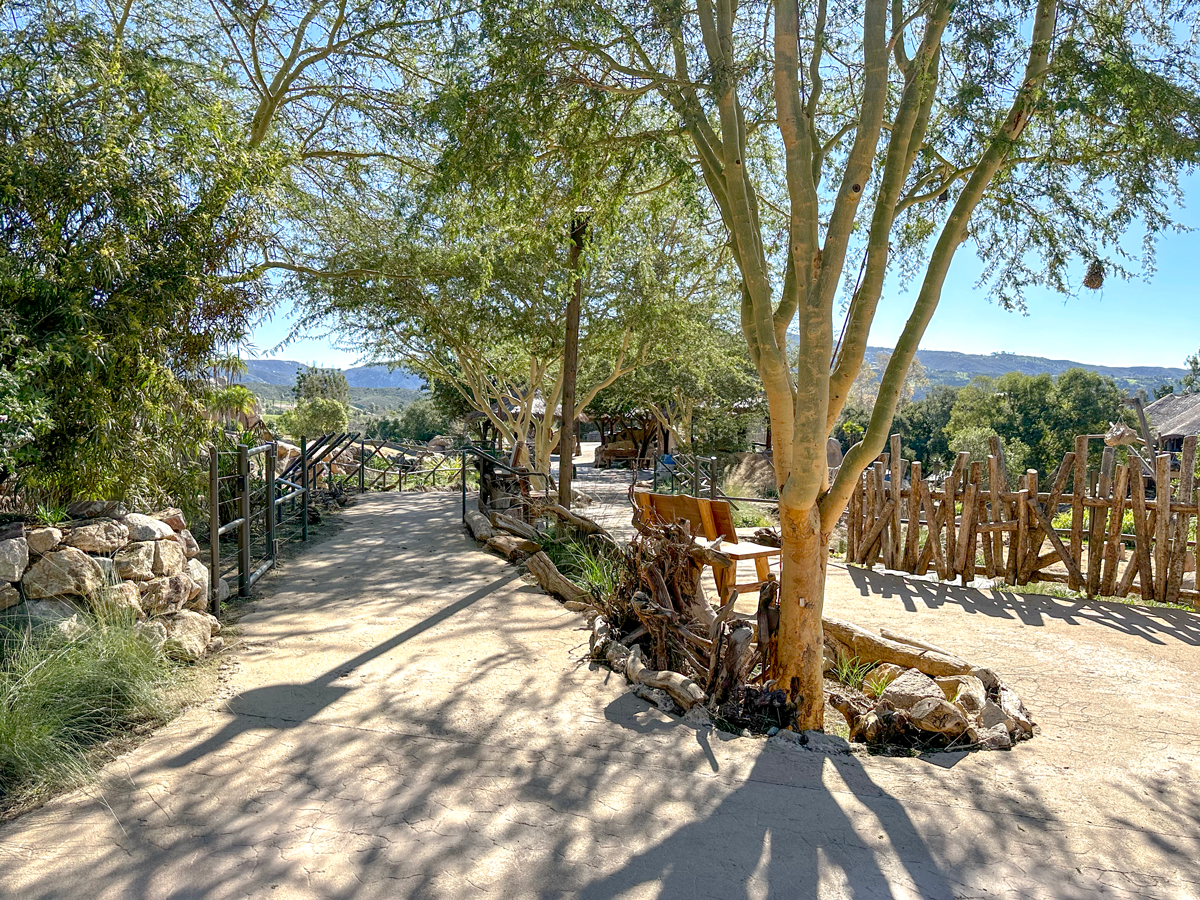
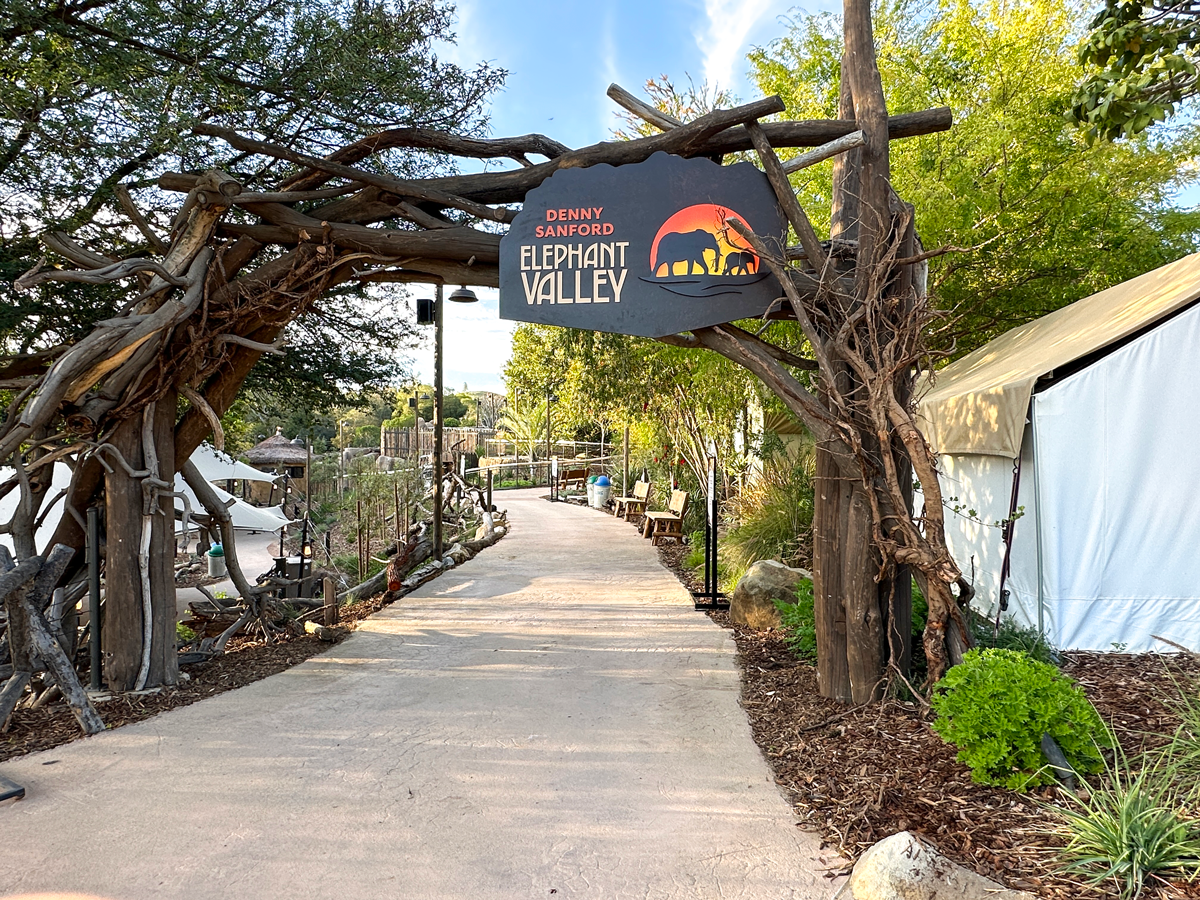
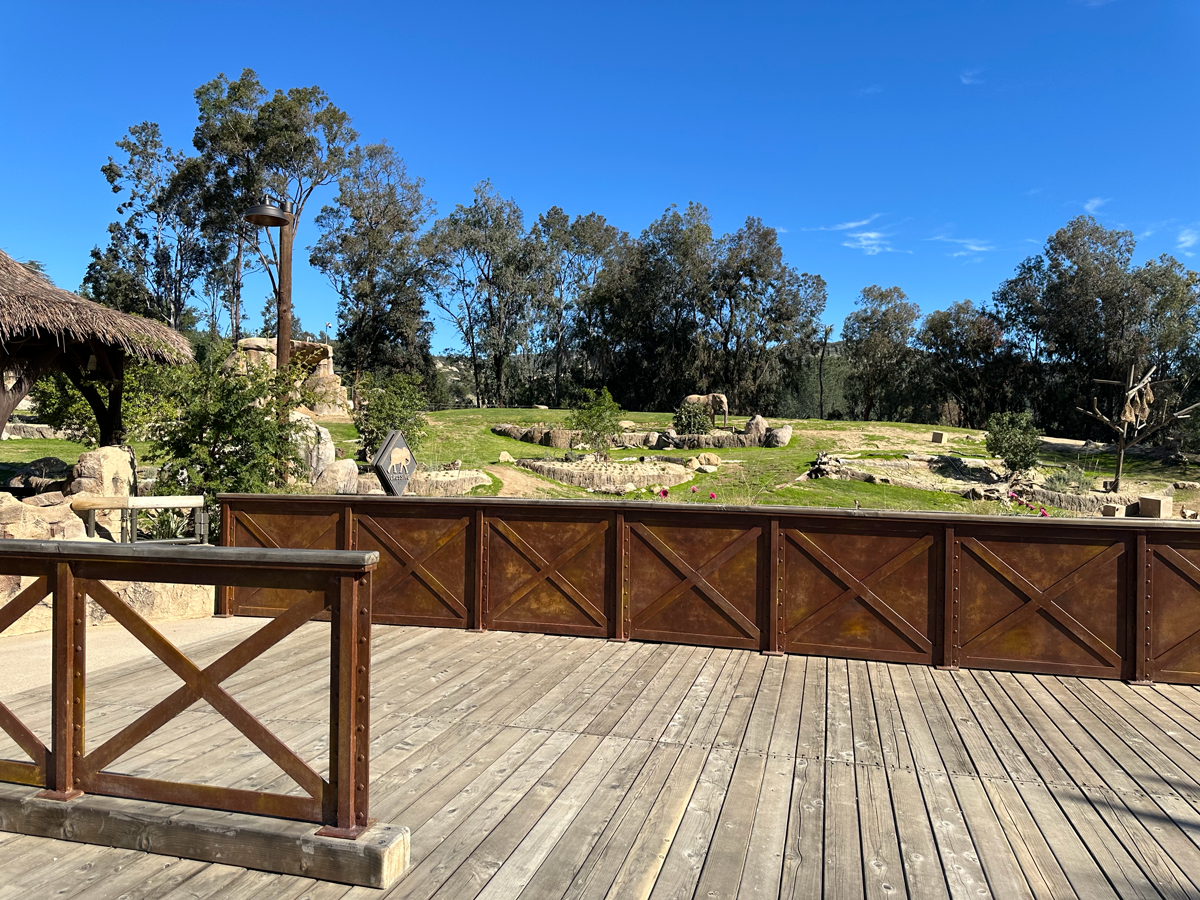
Visitors are now fully immersed as they traverse down a meandering walkway between the East and West yards, a mere 16-feet away from the worlds largest land mammals. Close enough to see their eyelashes and their incredibly detailed skin. Feeders and drinkers are set along the edge to bring the animals close and if your timing is right experience an interactive training session with the keepers.
The History
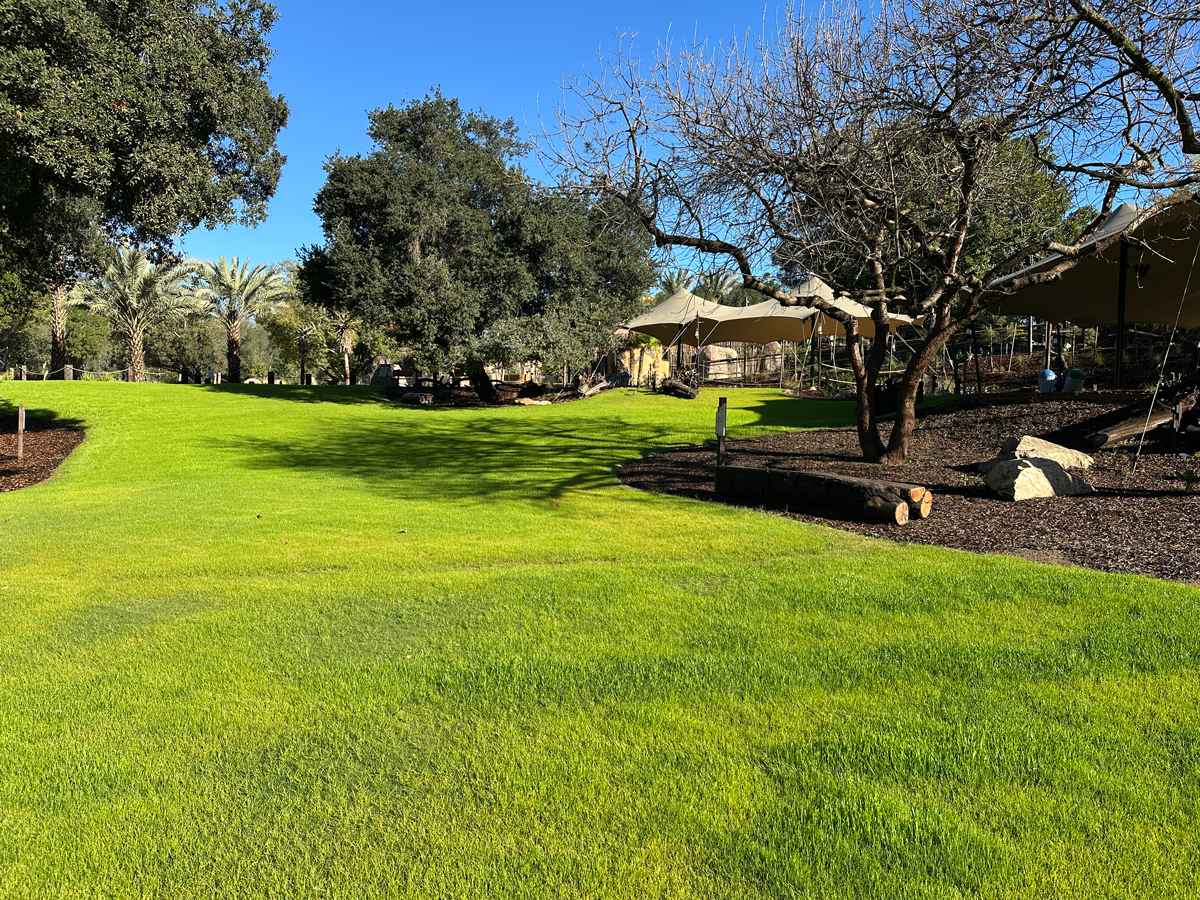
Since the Wgasa monorail at the San Diego Zoo Safari Park was retired in 2007 the existing elephant yards quickly became a very limited viewing experience for visitors. The habitat’s sloping dirt yards offered little shade for the elephants and little resemblance to their natural African habitat. Suffering from over compaction and lack of ground cover, there was extensive erosion and muddy runoff problems every time it rained. The adjacent picnic area was unfocused, with limited shade, and had patchy disconnected lawn areas that were not conducive to hosting large groups.
It Takes a Village
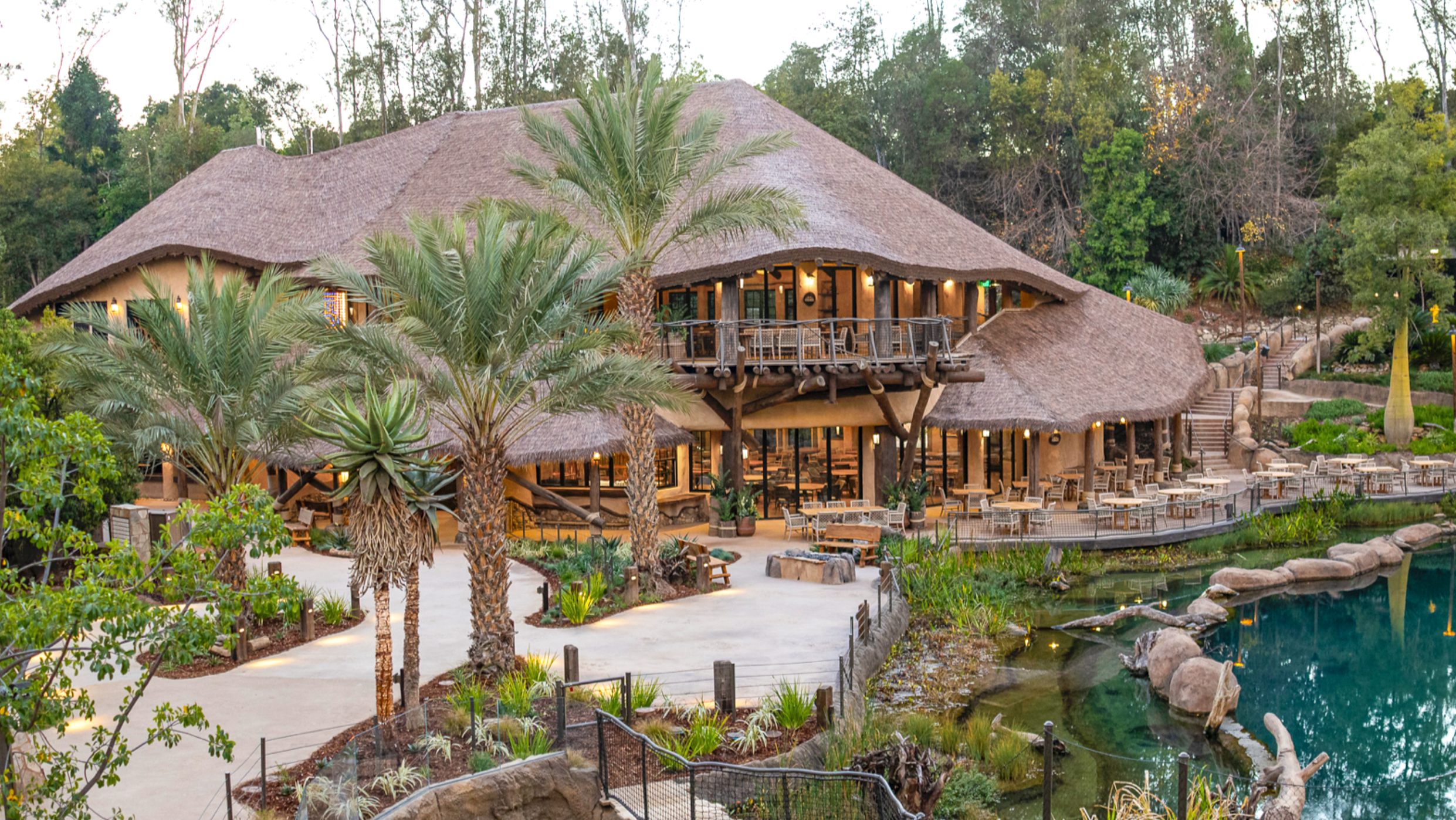
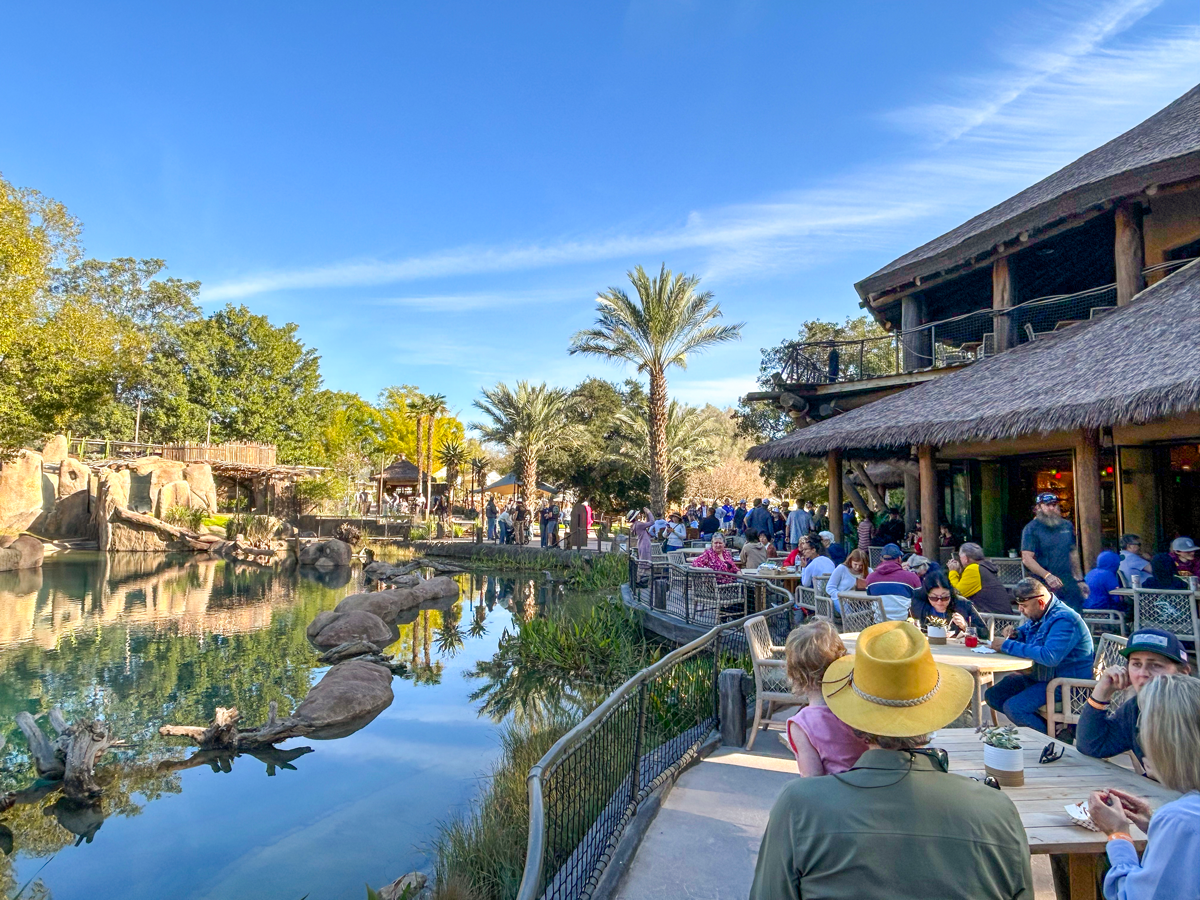
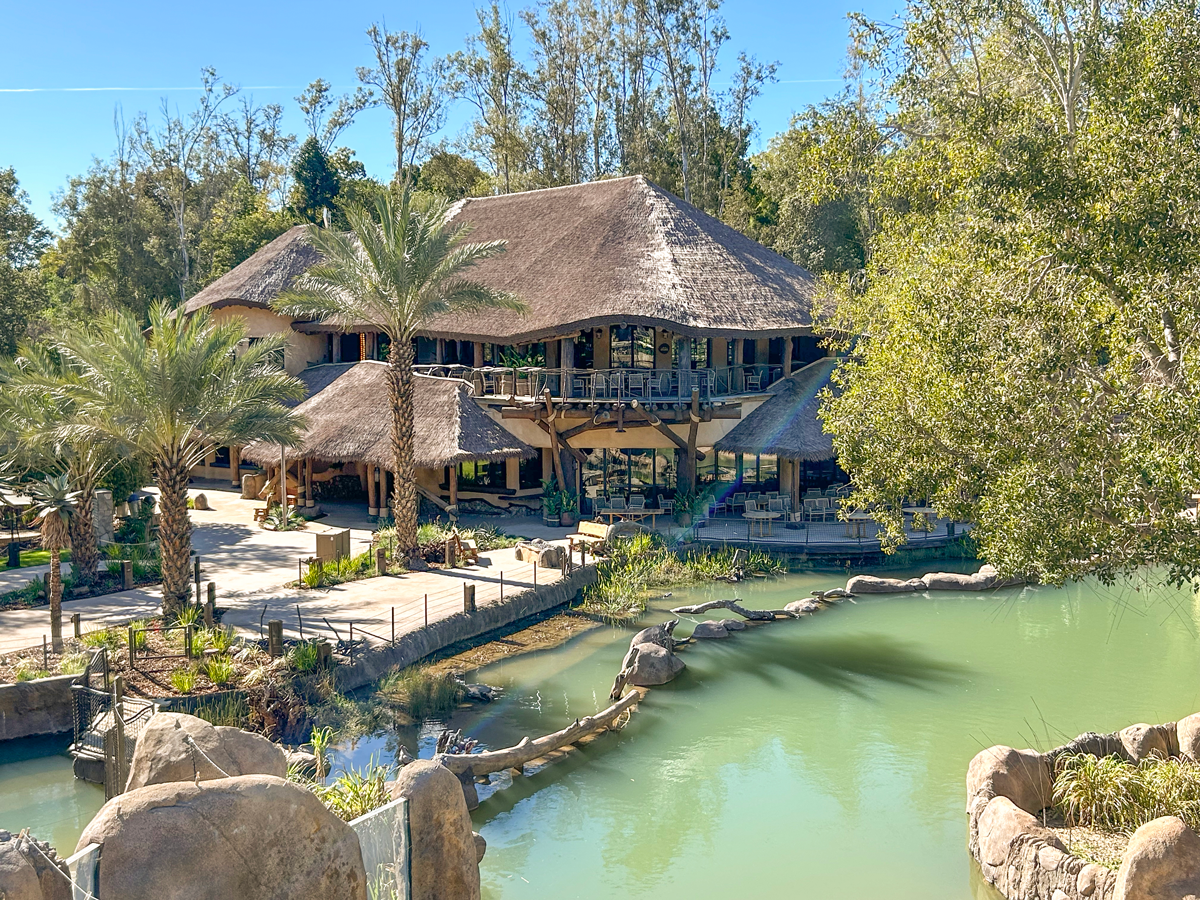
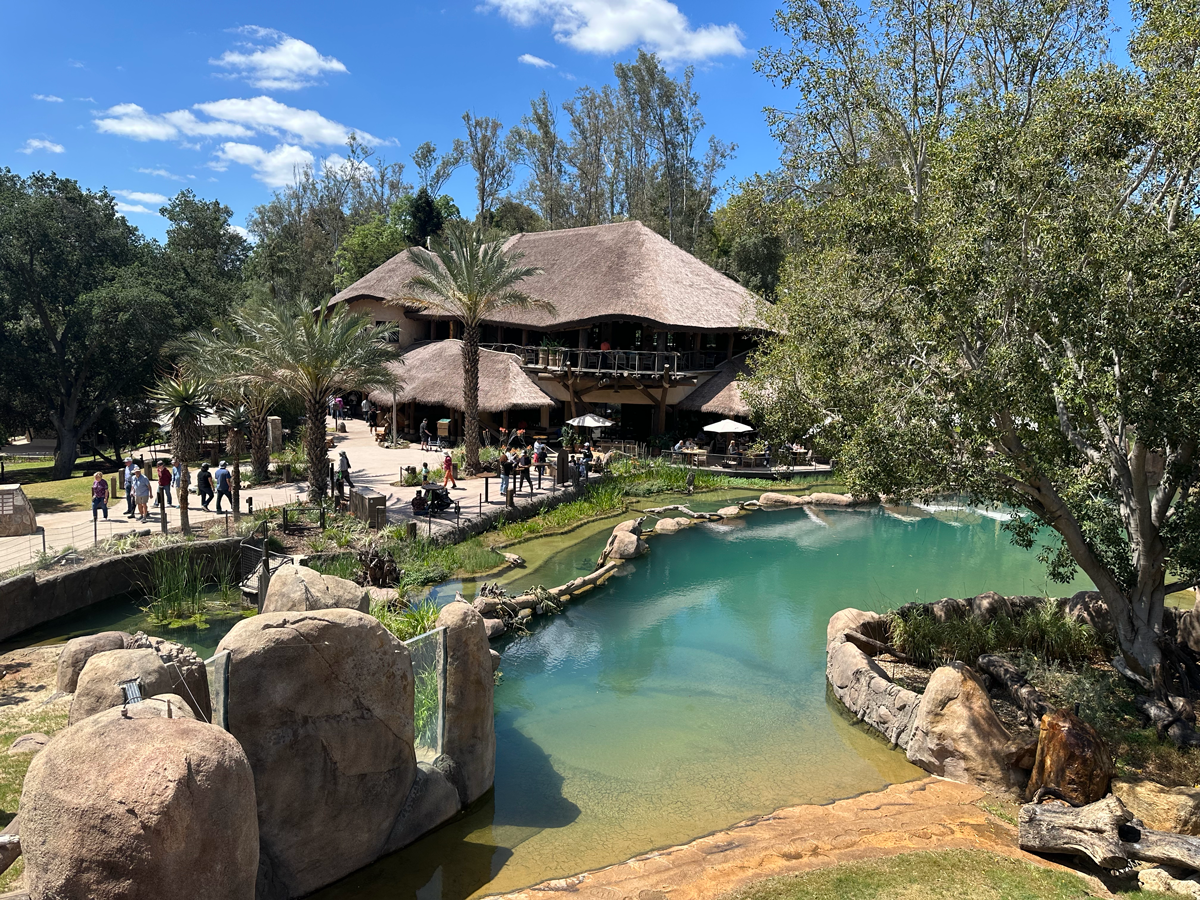
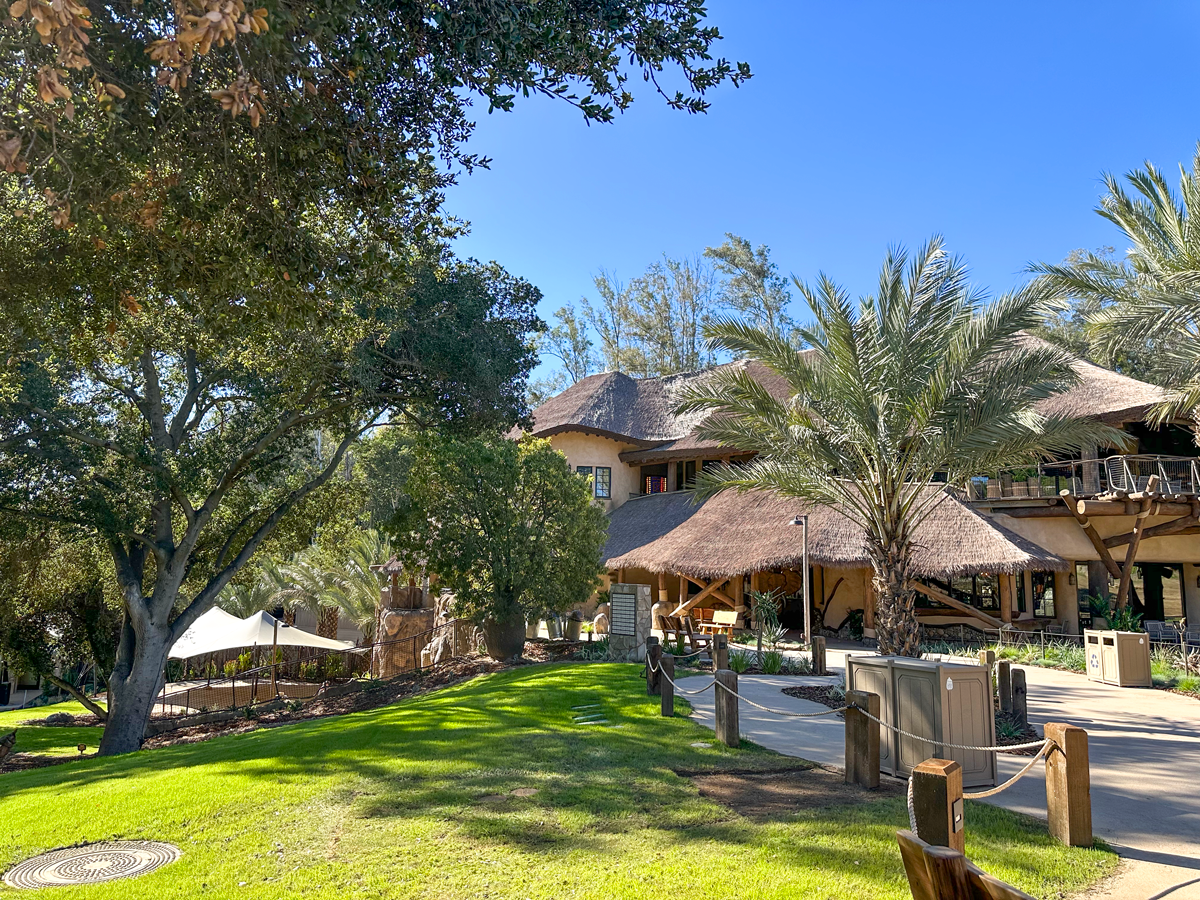
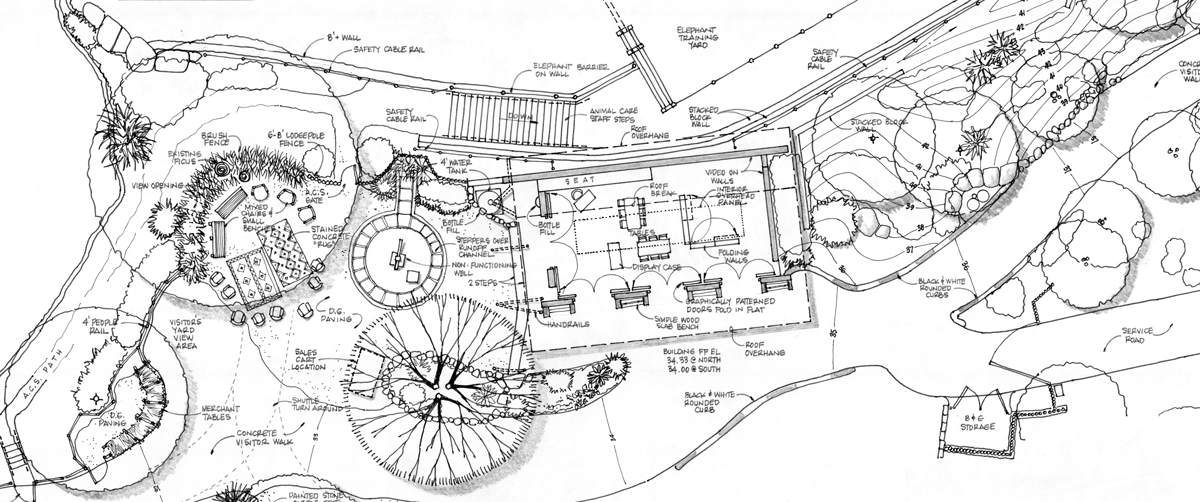
Deneen Powell Atelier, Inc. (DPA) was the prime site design consultant, developing and detailing the site plan, siting buildings, preparing preliminary grading plans and developing the exhibit, hardscape, planting, irrigation and donor recognition plans while directing, coordinating and working in tandem with an incredible team of civil, structural, electrical, site mechanical and water quality engineers. DPA also seamlessly coordinated site work with the project architect to marry the lodge restaurant and commissary into the site at the edge of the large Elephant pond.
Zoo design projects involve many different individuals and departments with diverse and not always aligning needs. In addition to working closely with the Zoo’s architecture department and team of sub-consultants, DPA coordinated the design work with the Zoo’s Curatorial and Animal Care staff, Facilities, Sales, Food Service, Events, Education, Building and Grounds, Horticulture, Philanthropy and Creative Services. Designing an area that appears to be a natural part of Africa, that gives guests an immersive, personal experience while keeping the area safe for Elephants and visitors alike was the primary design focus.
Critical Factors
Animal welfare is paramount in zoo design, and strong consideration must also be given to animal care staff safety, visitor safety, and visitor experience, all while conveying the Zoo’s important message of conservation and habitat preservation.
The Transformation
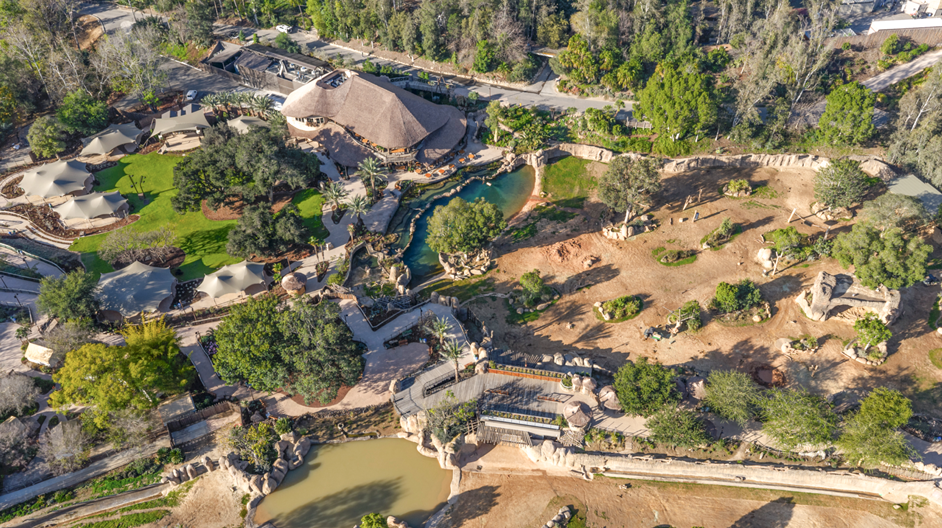
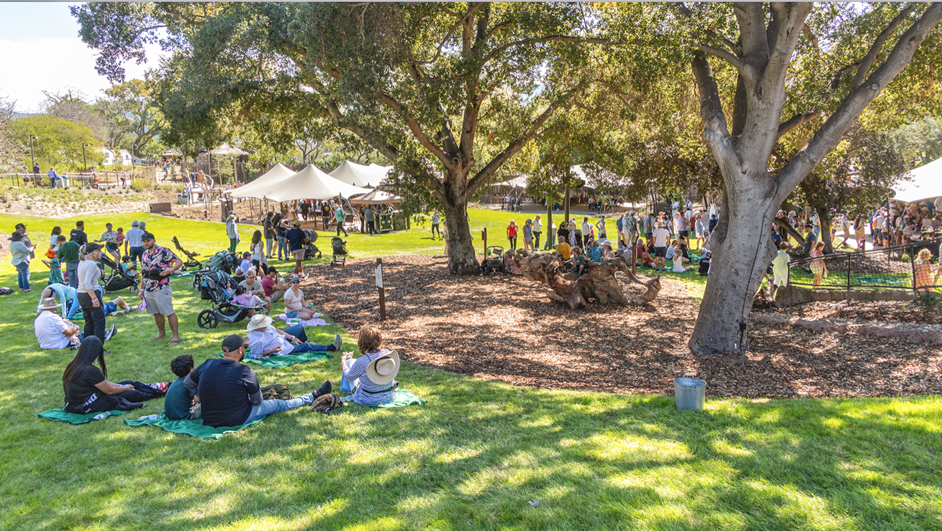
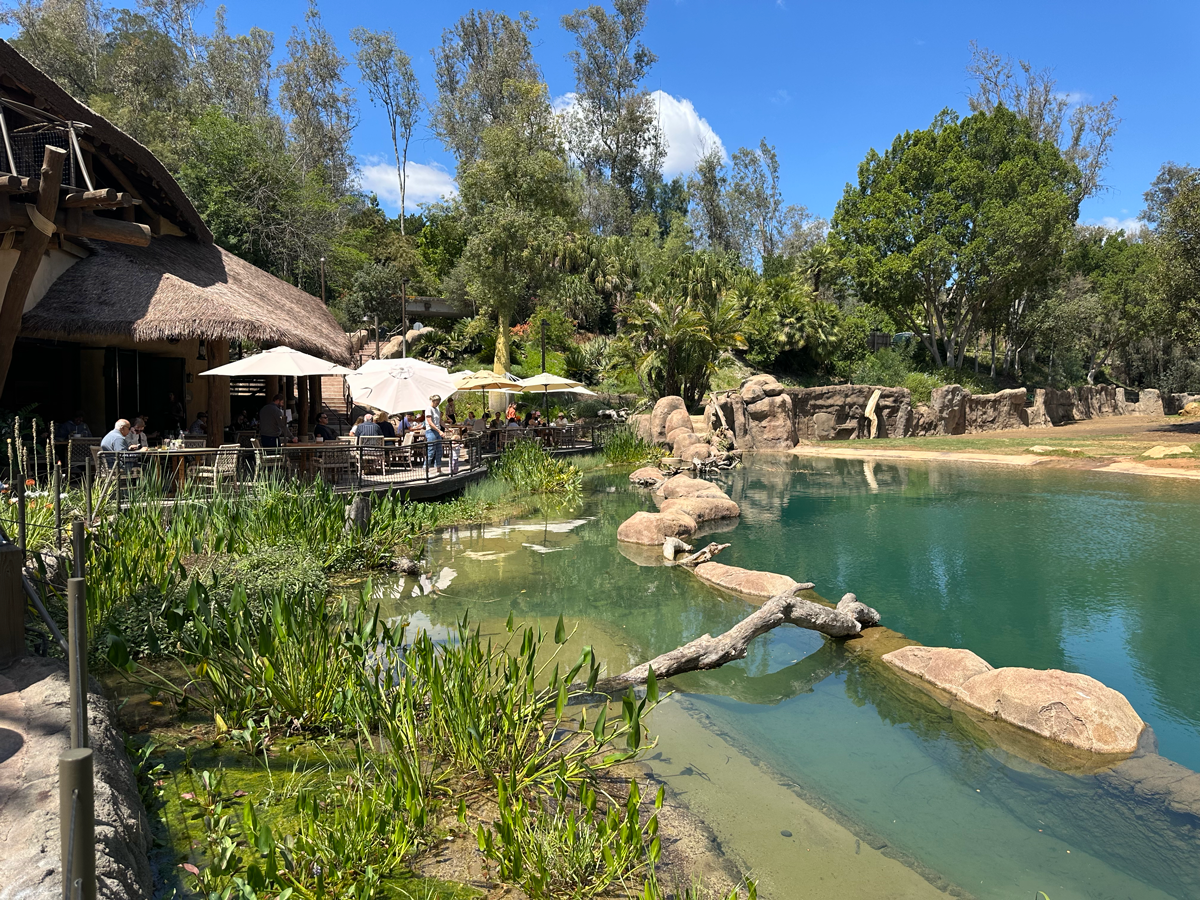
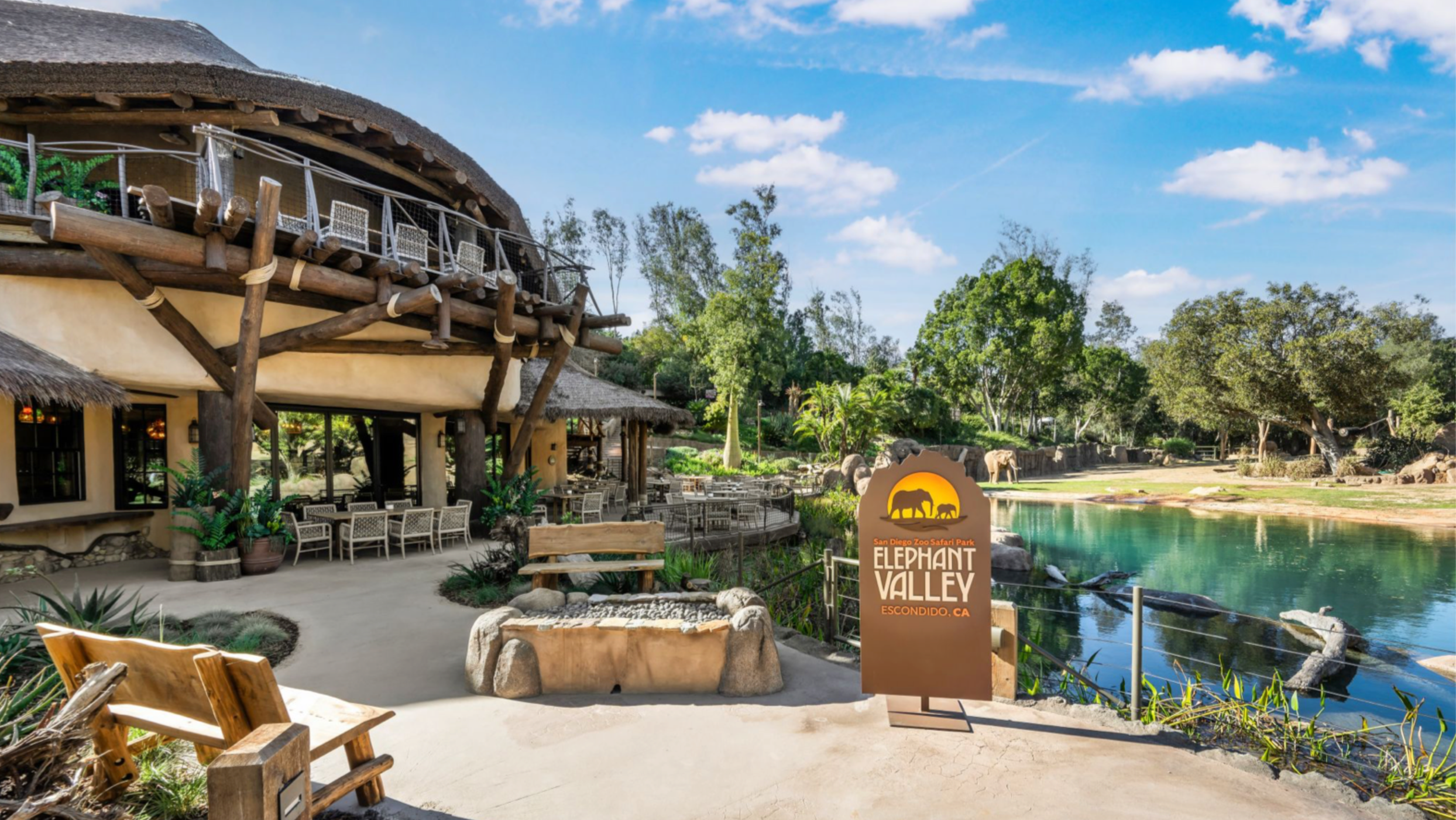
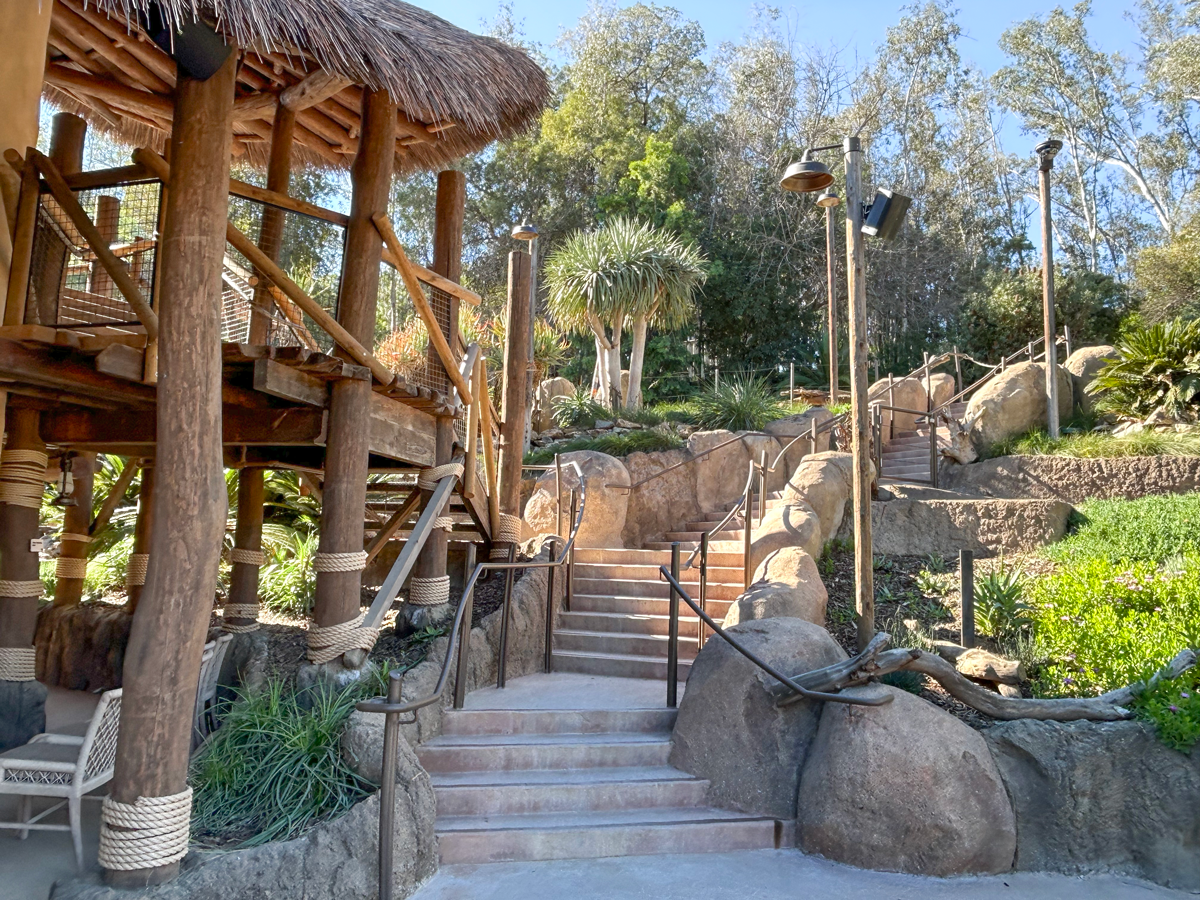
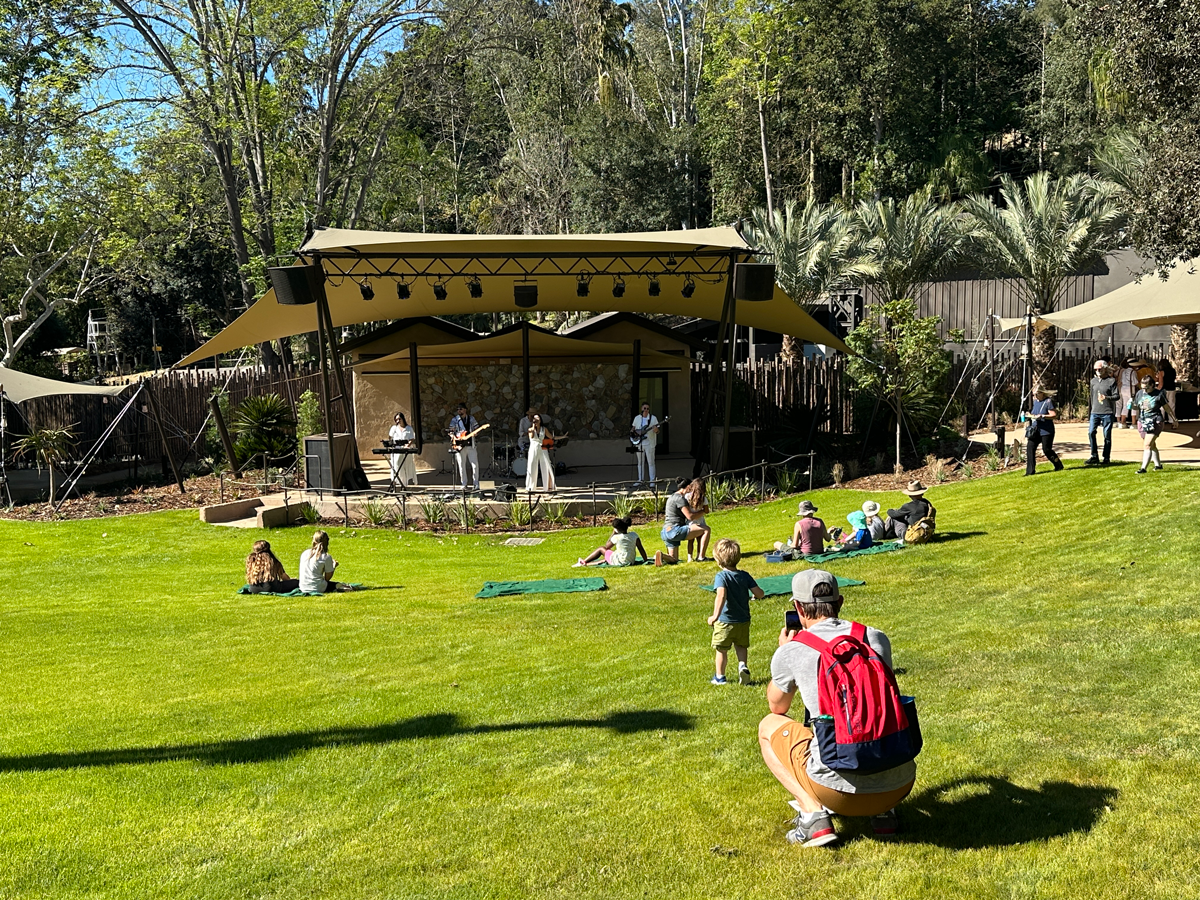
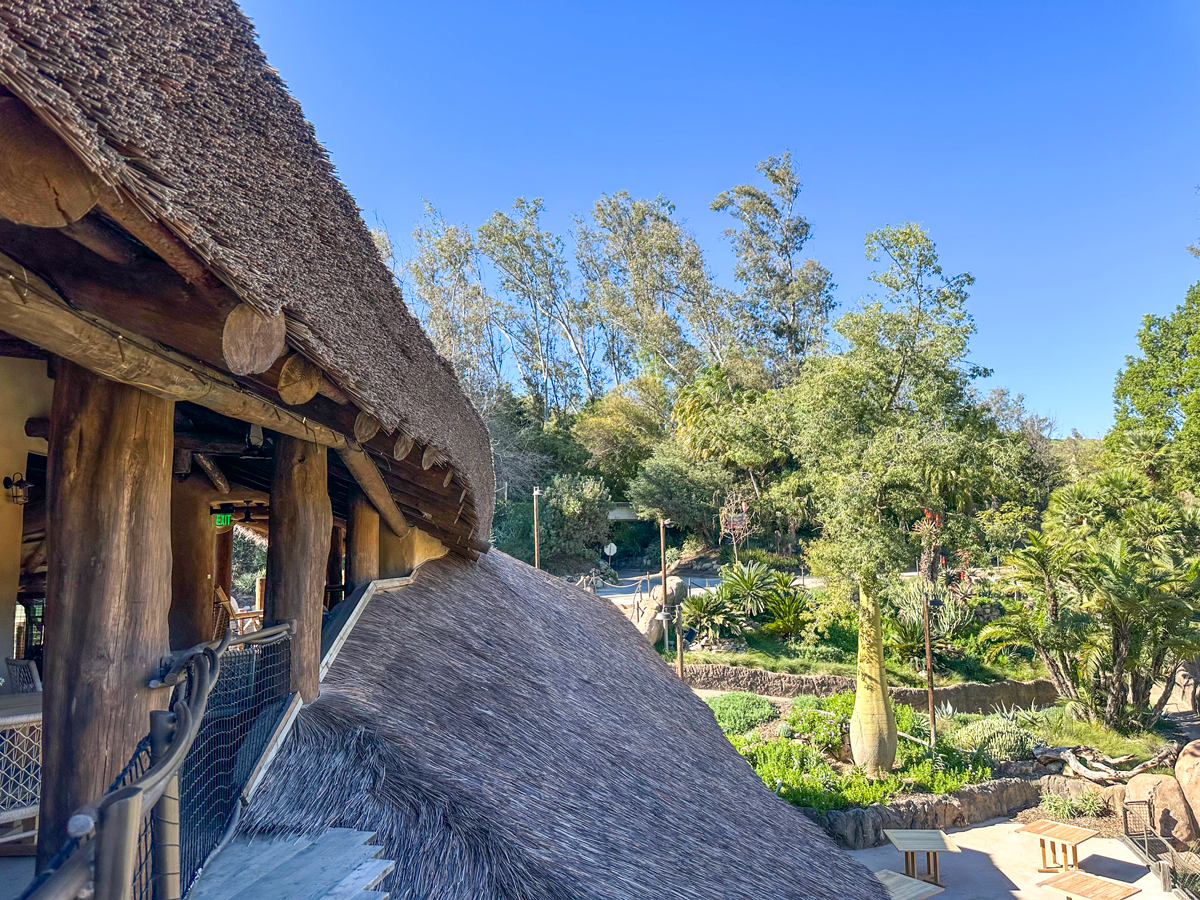
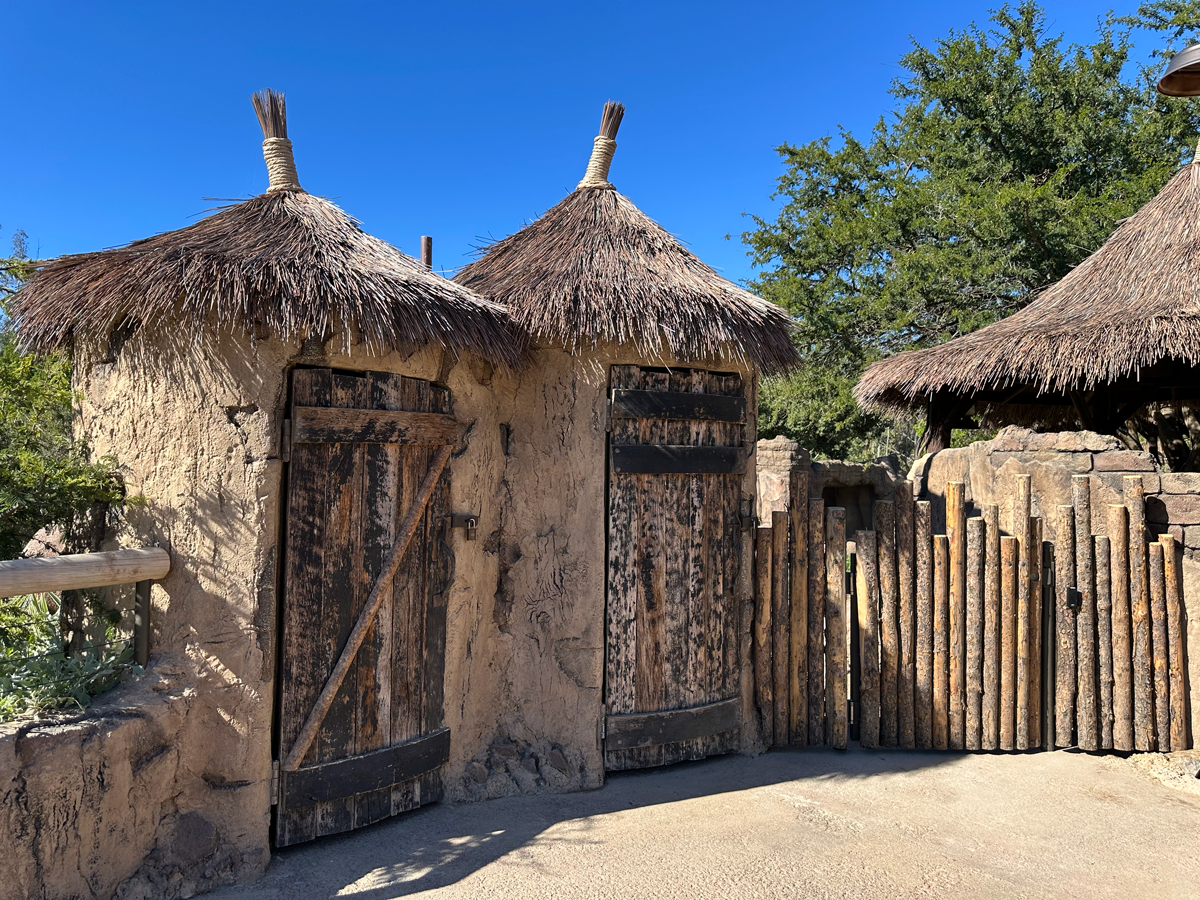
Two under viewed dirt elephant yards were transformed into lush African savannas, while a small adjacent picnic area became an African-inspired lodge and picnic amphitheater for up to 5,000 visitors.
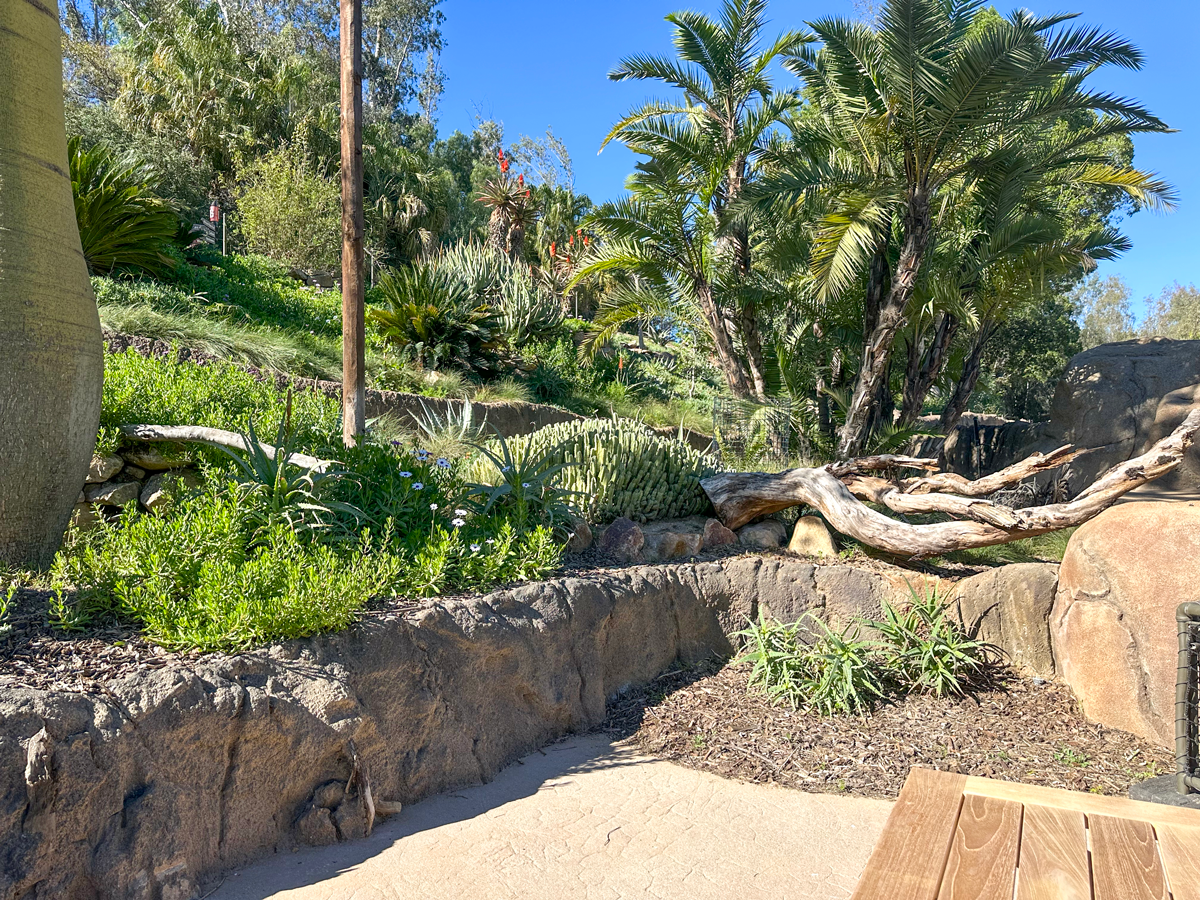
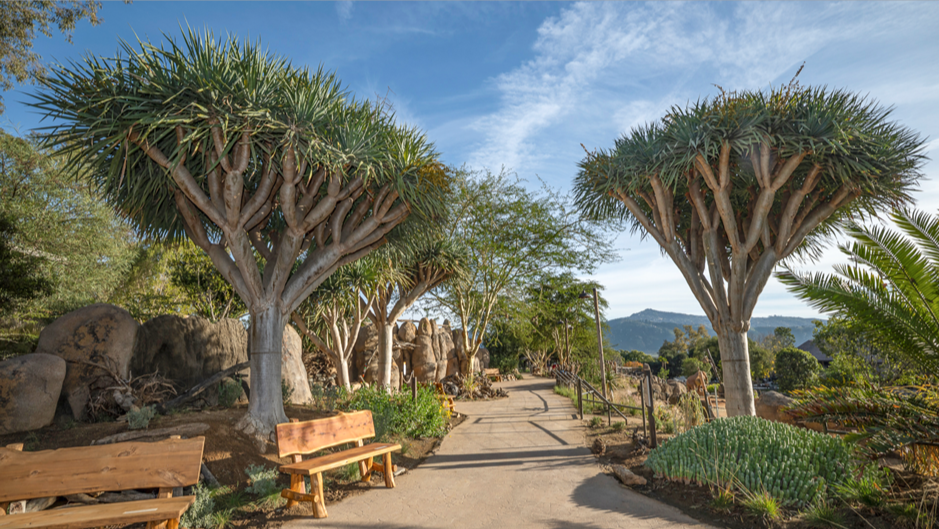
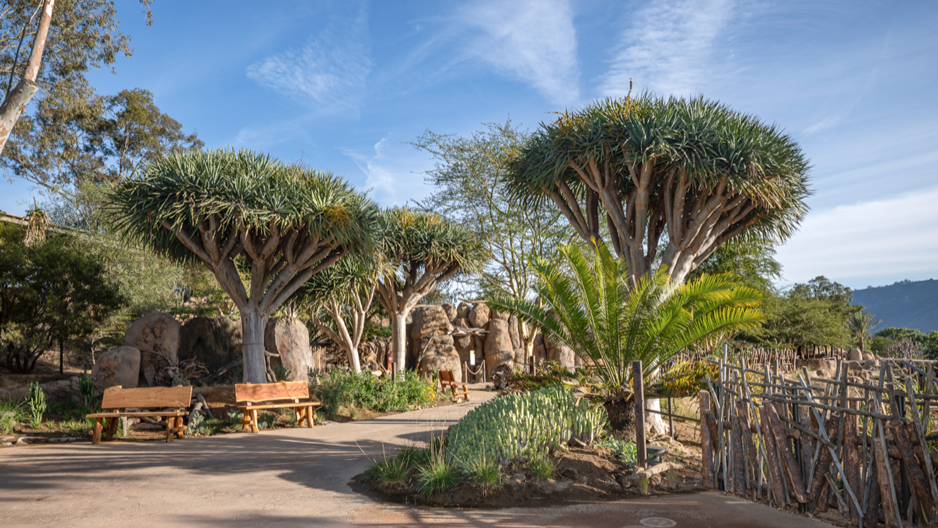
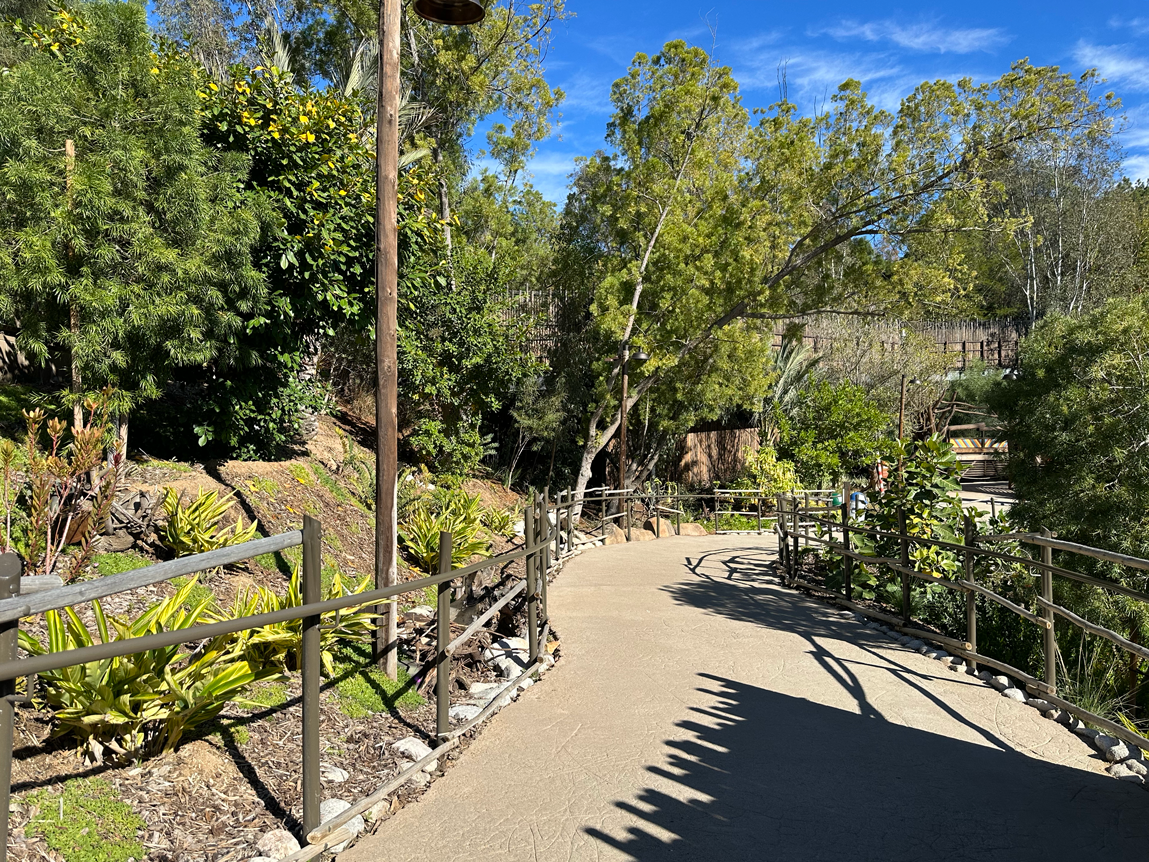
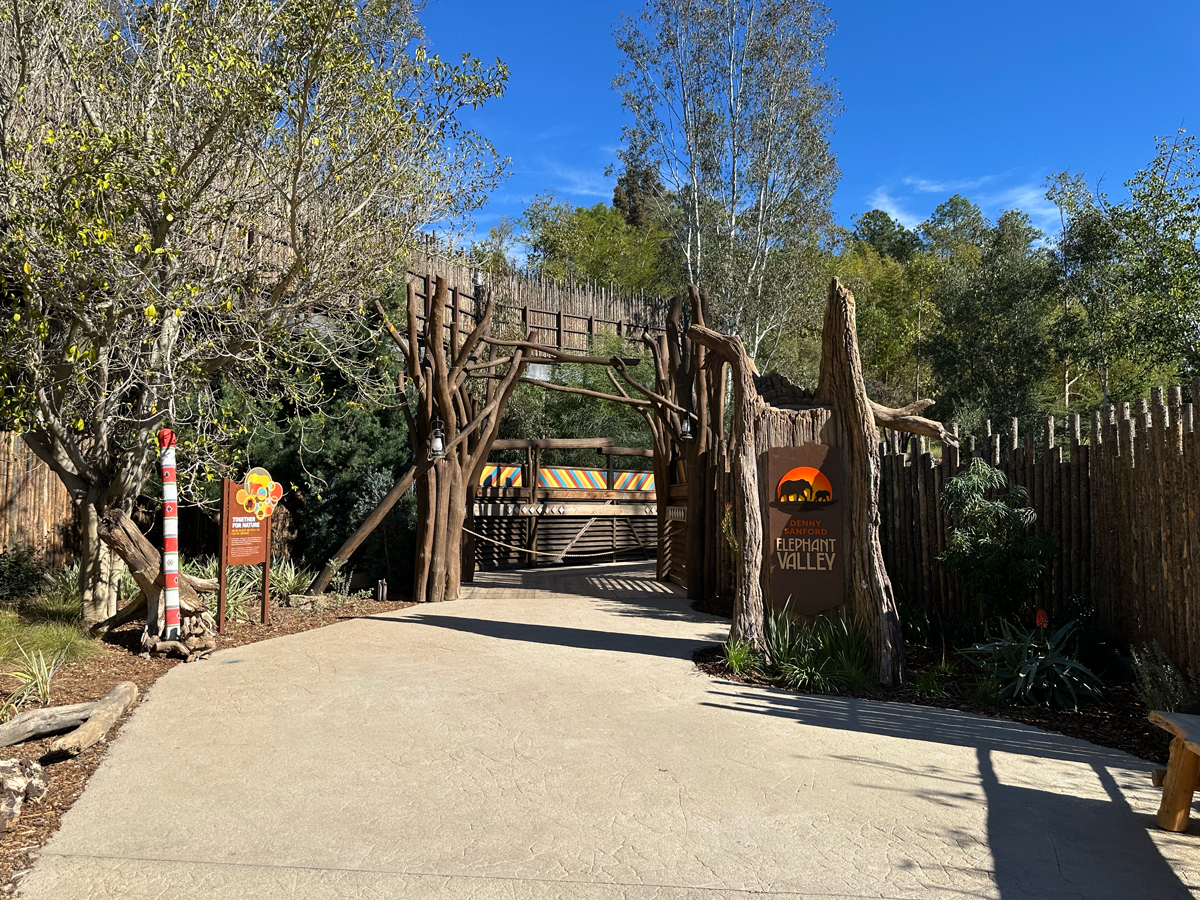
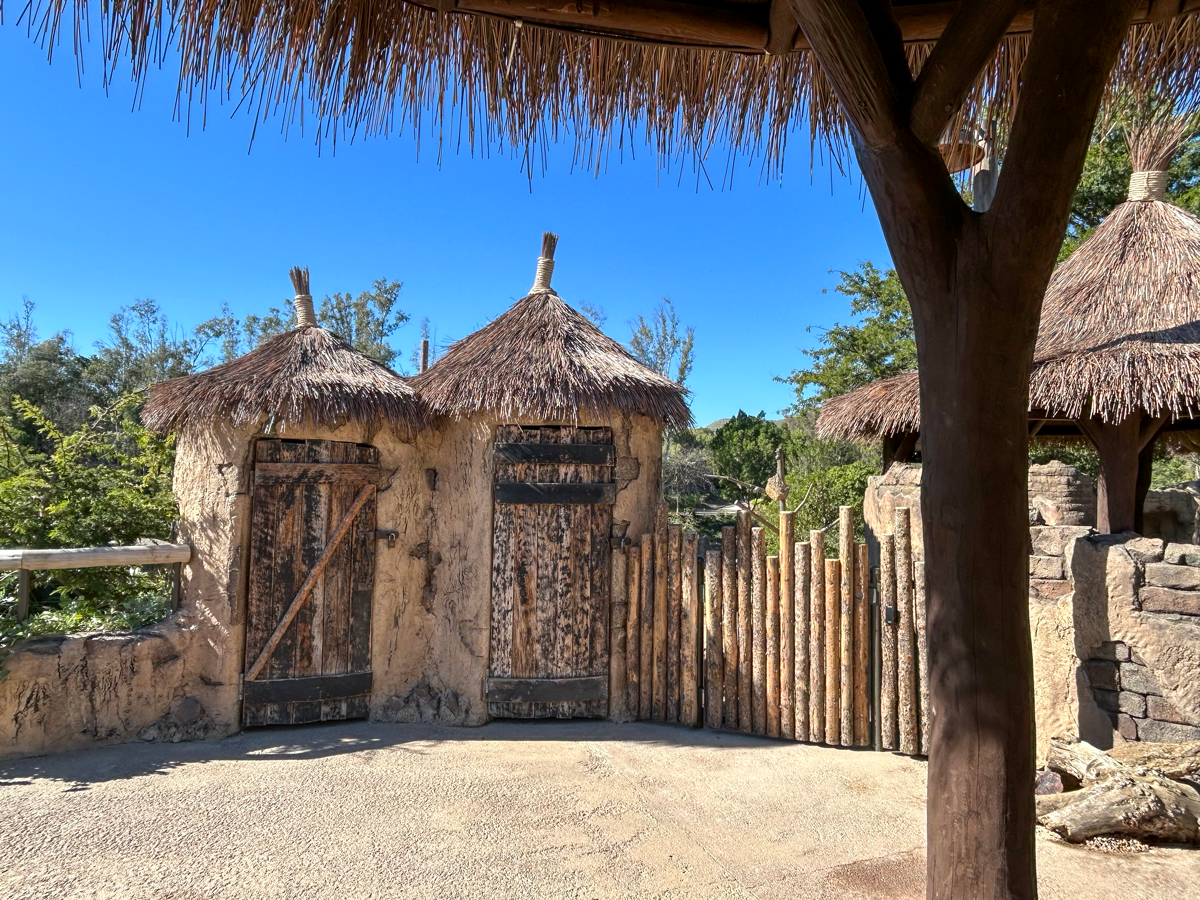
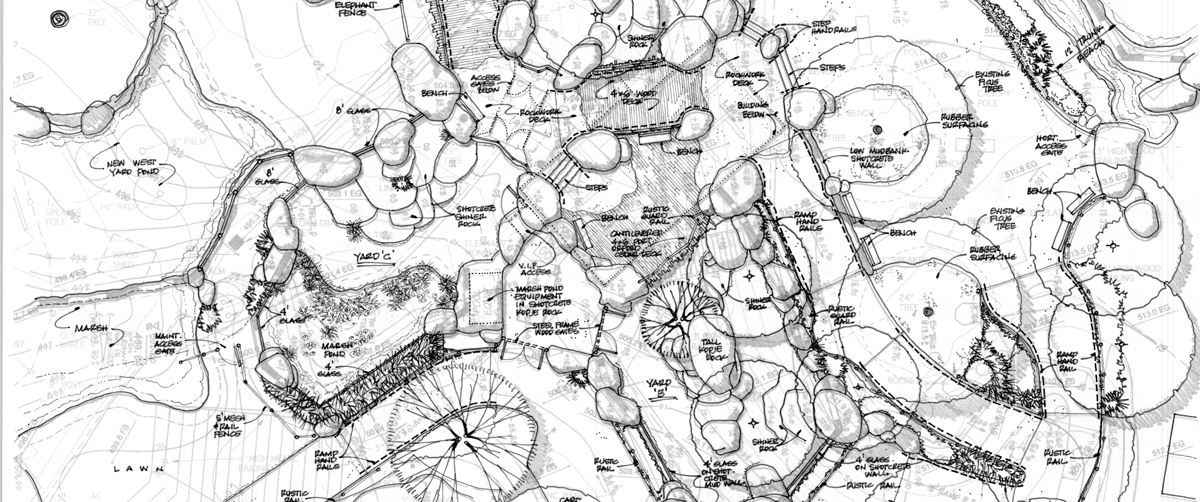
The former habitat yards were expanded and converted with planted terraces that support elephant movement, manage runoff, enhance views, and screen barns and service areas. A bare, straight ridge between the old habitats was reshaped into a tree shaded meandering path, placing visitors within 16-feet of elephants on both sides.
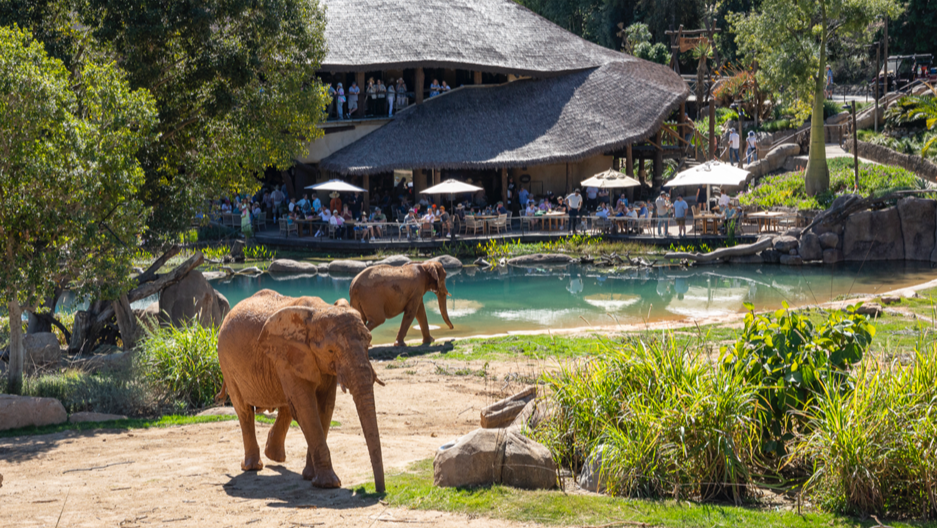
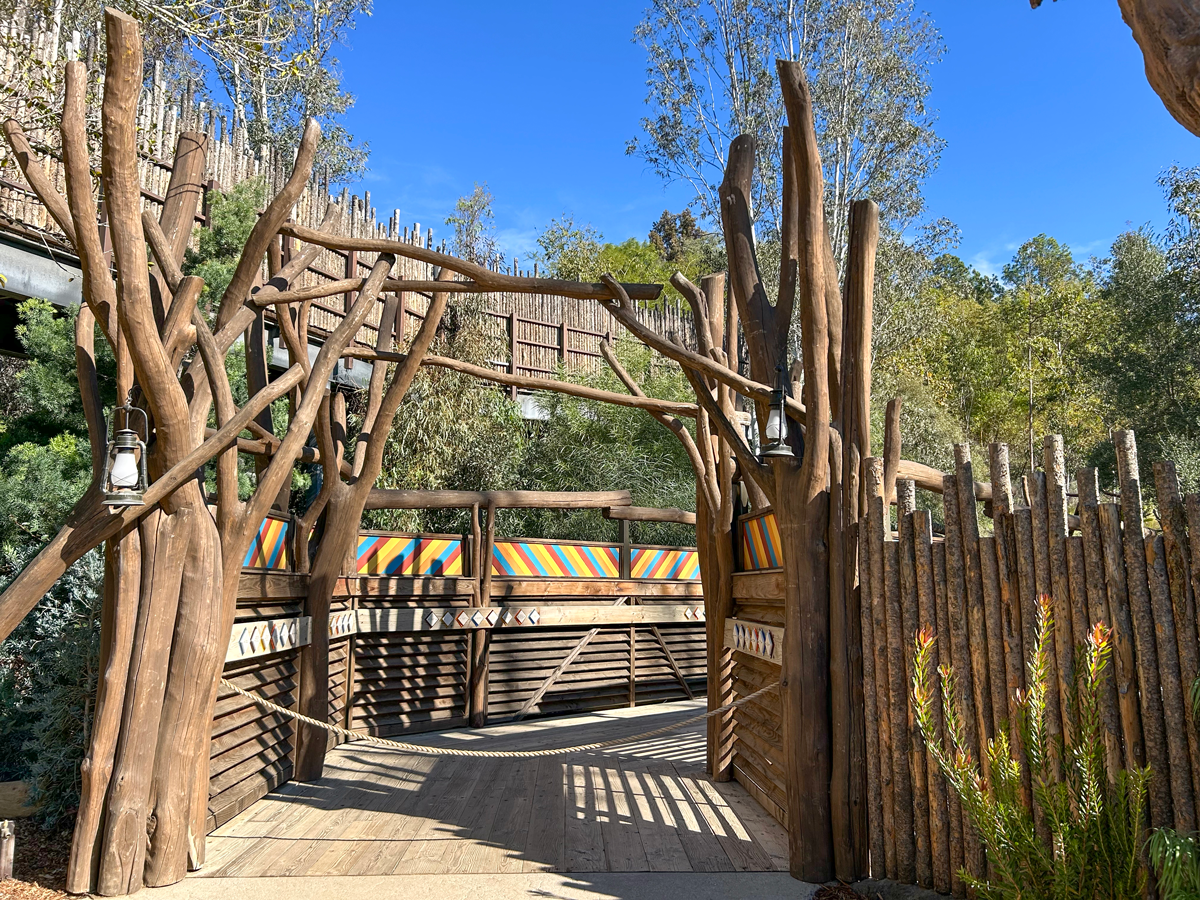
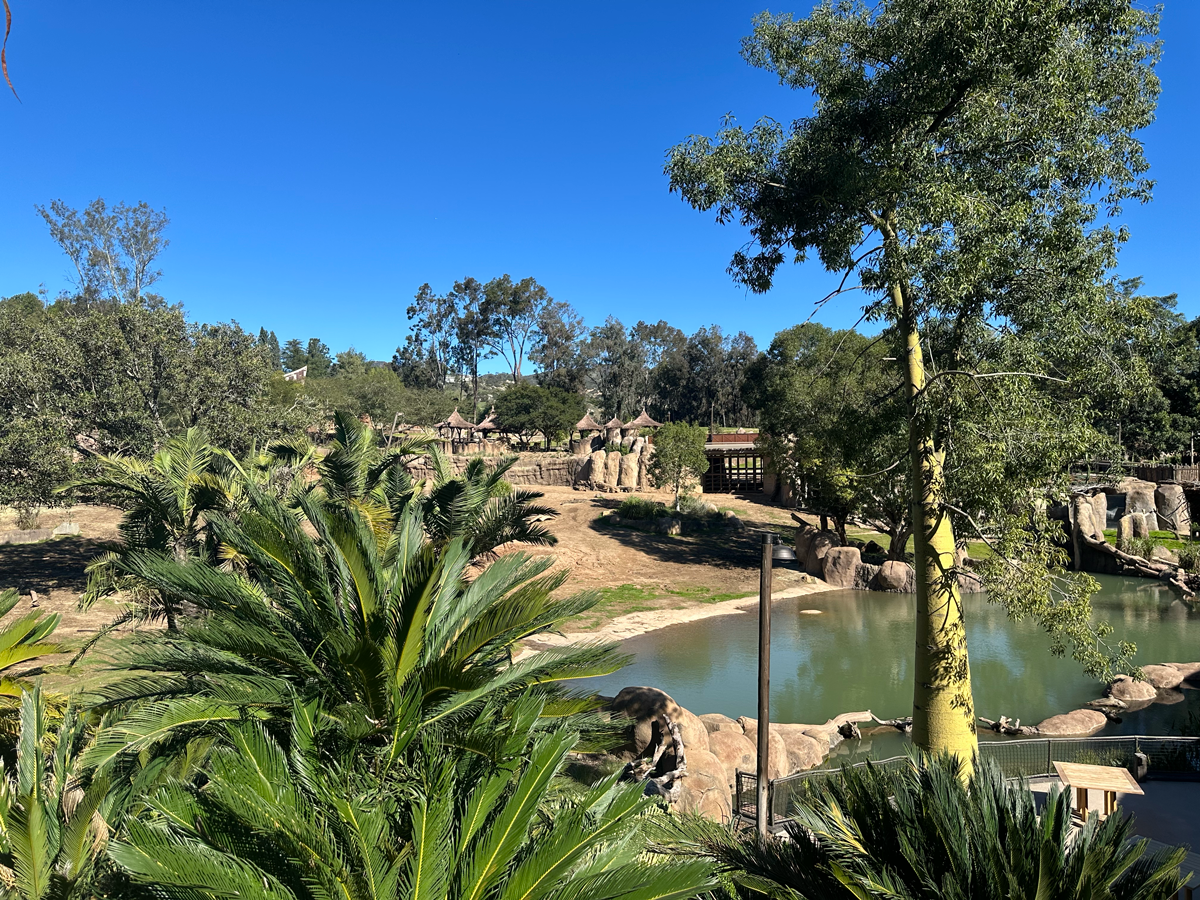
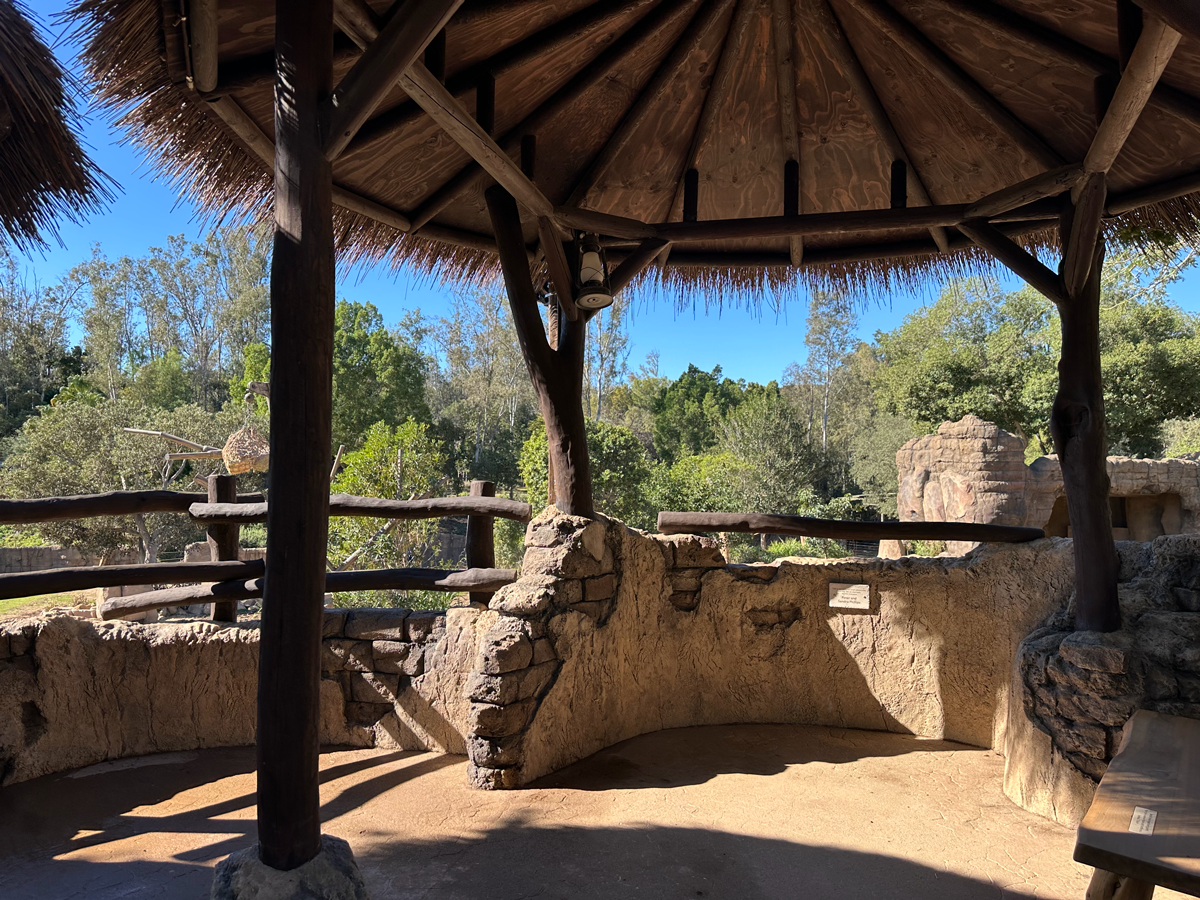
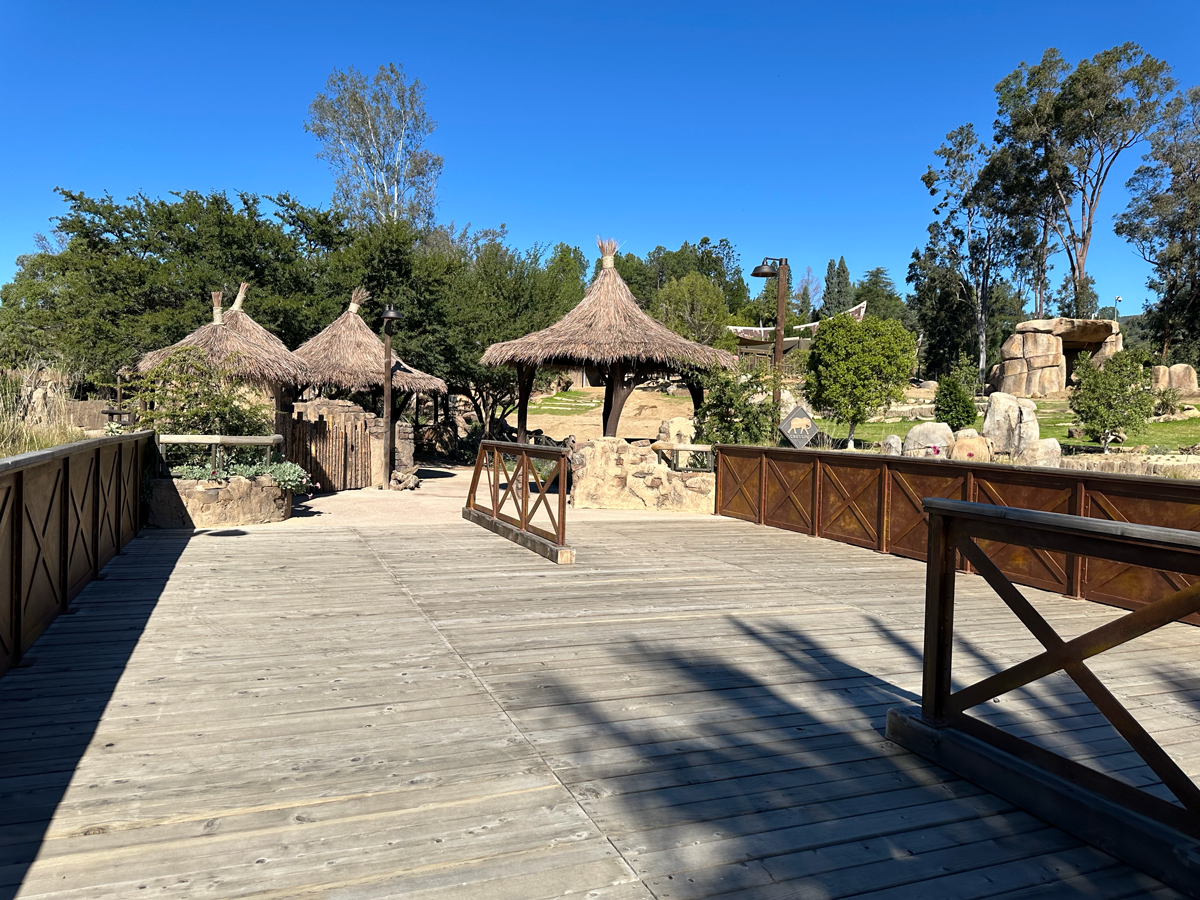
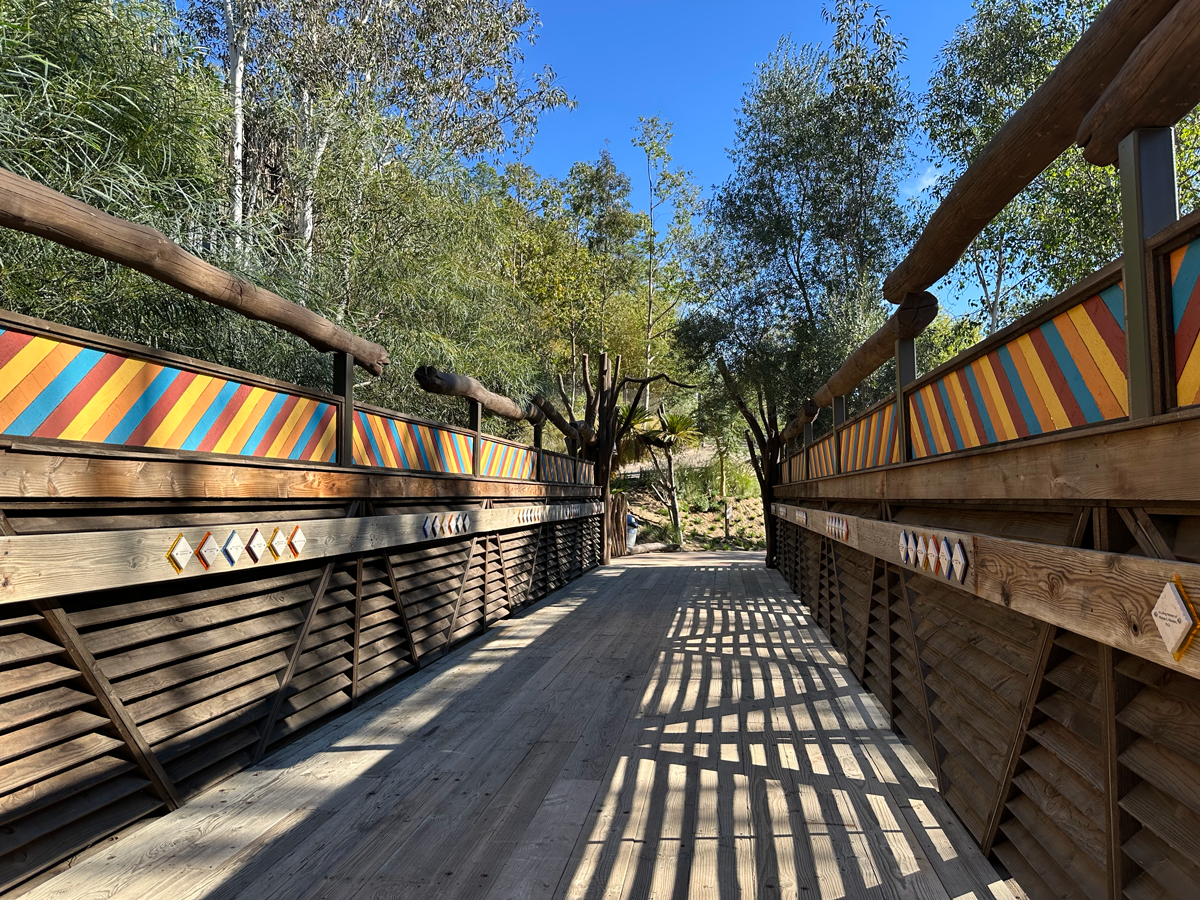
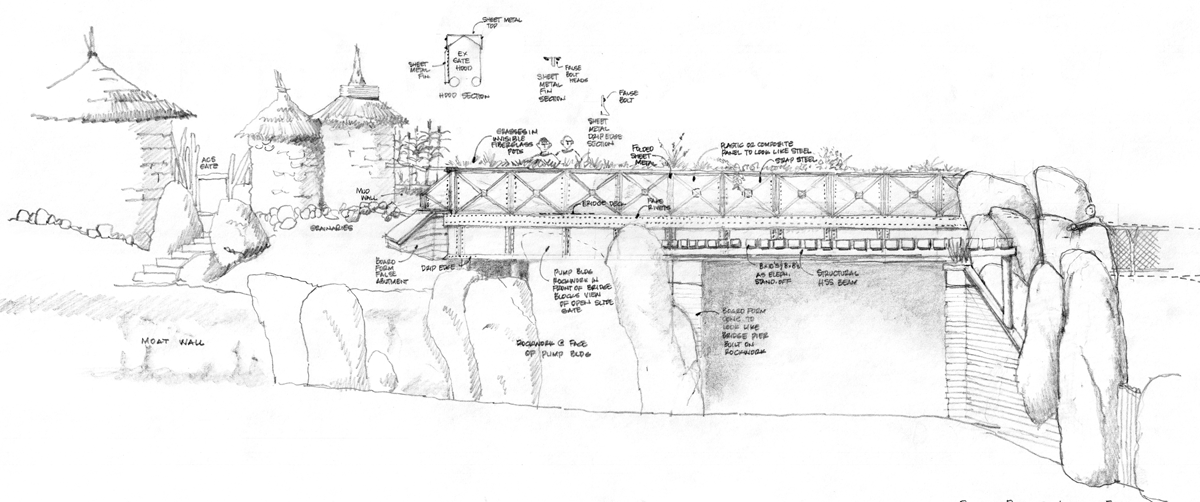
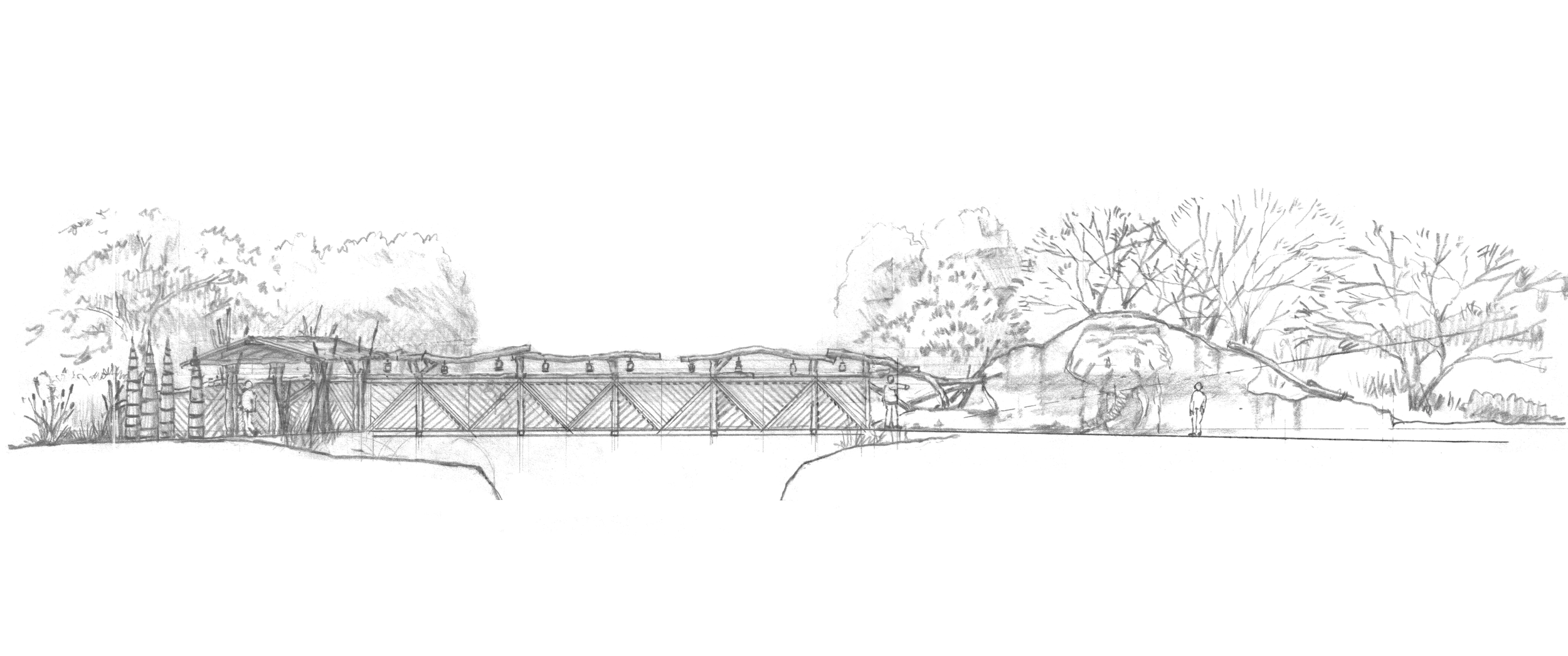
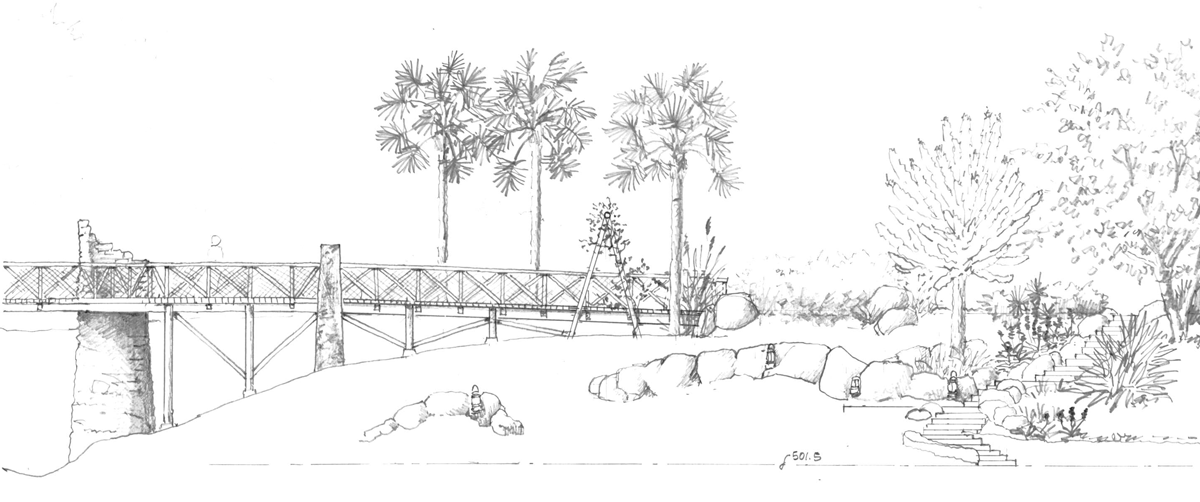
Unsightly animal control gates were concealed beneath a bridge under which there is easy, free access for the elephants to travel between the east and west yards. The bridge connects the passage viewing path to meanderings decks with stunning views to a 240,000-gallon elephant swimming pond along the lodge dining terrace, and a smaller ‘wallow’ in the east yard.
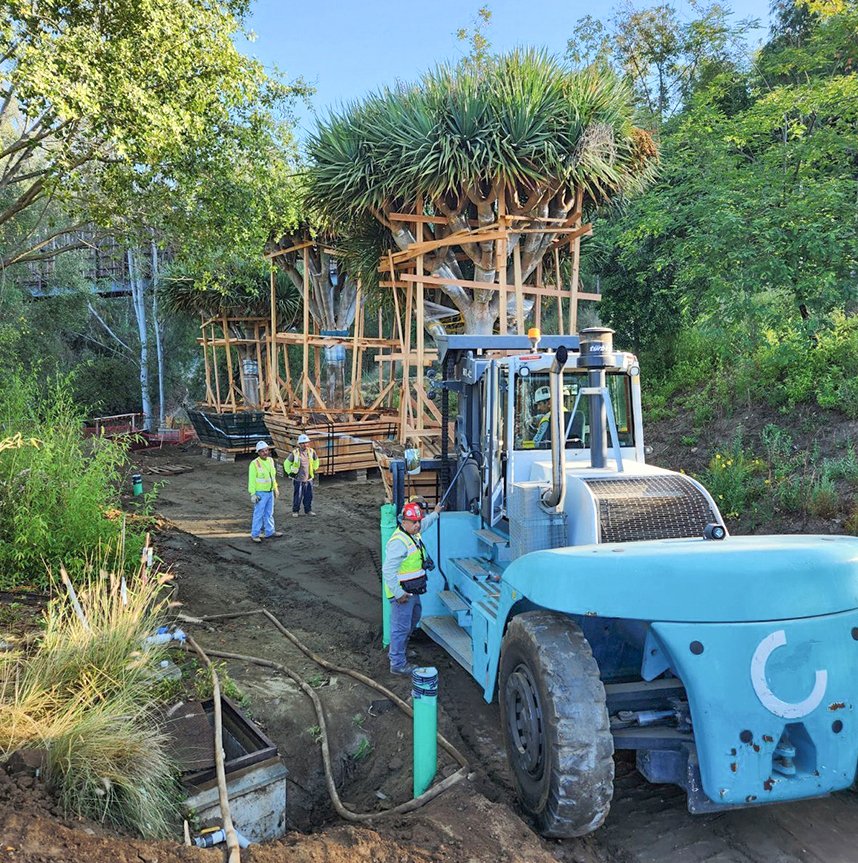
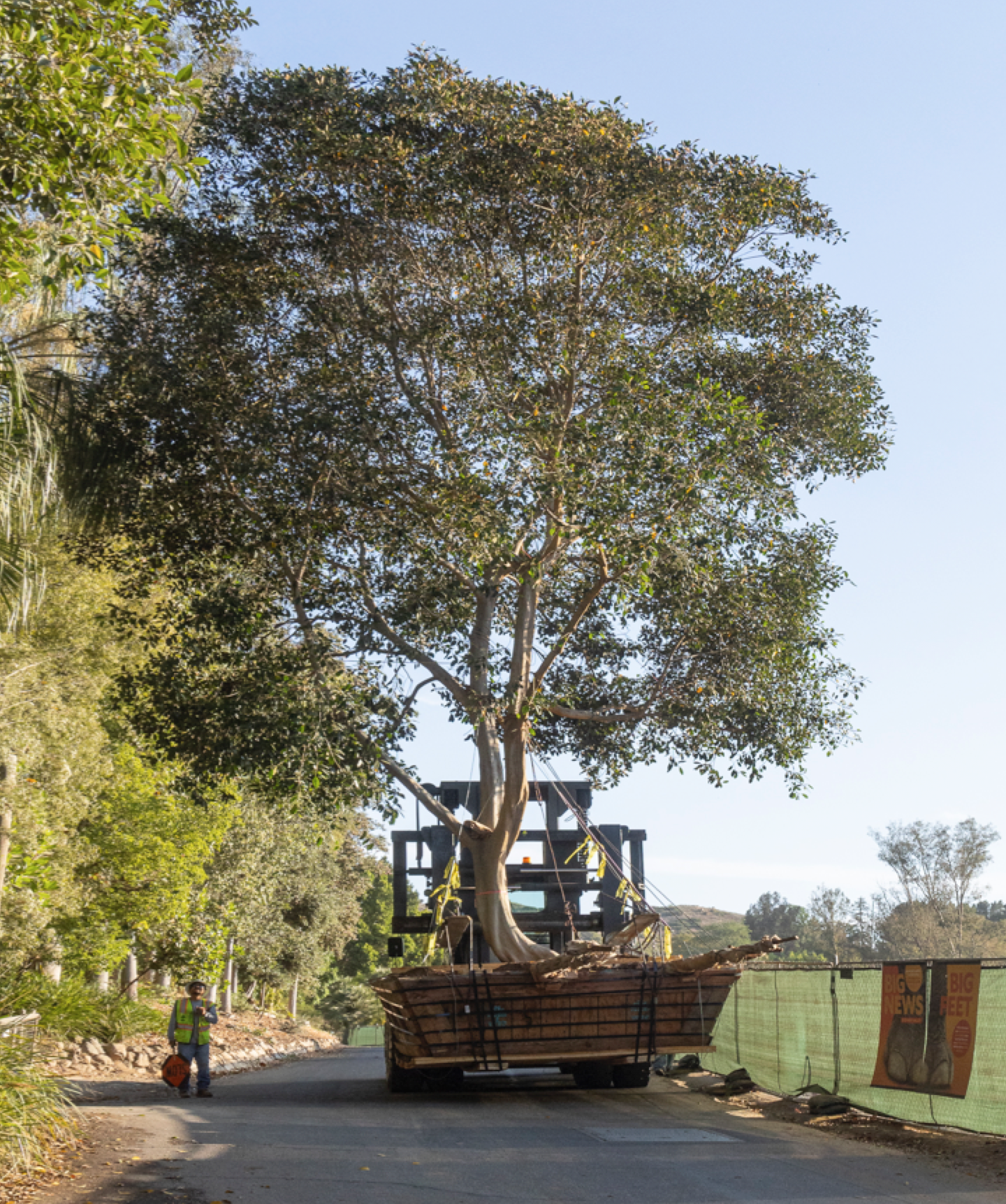
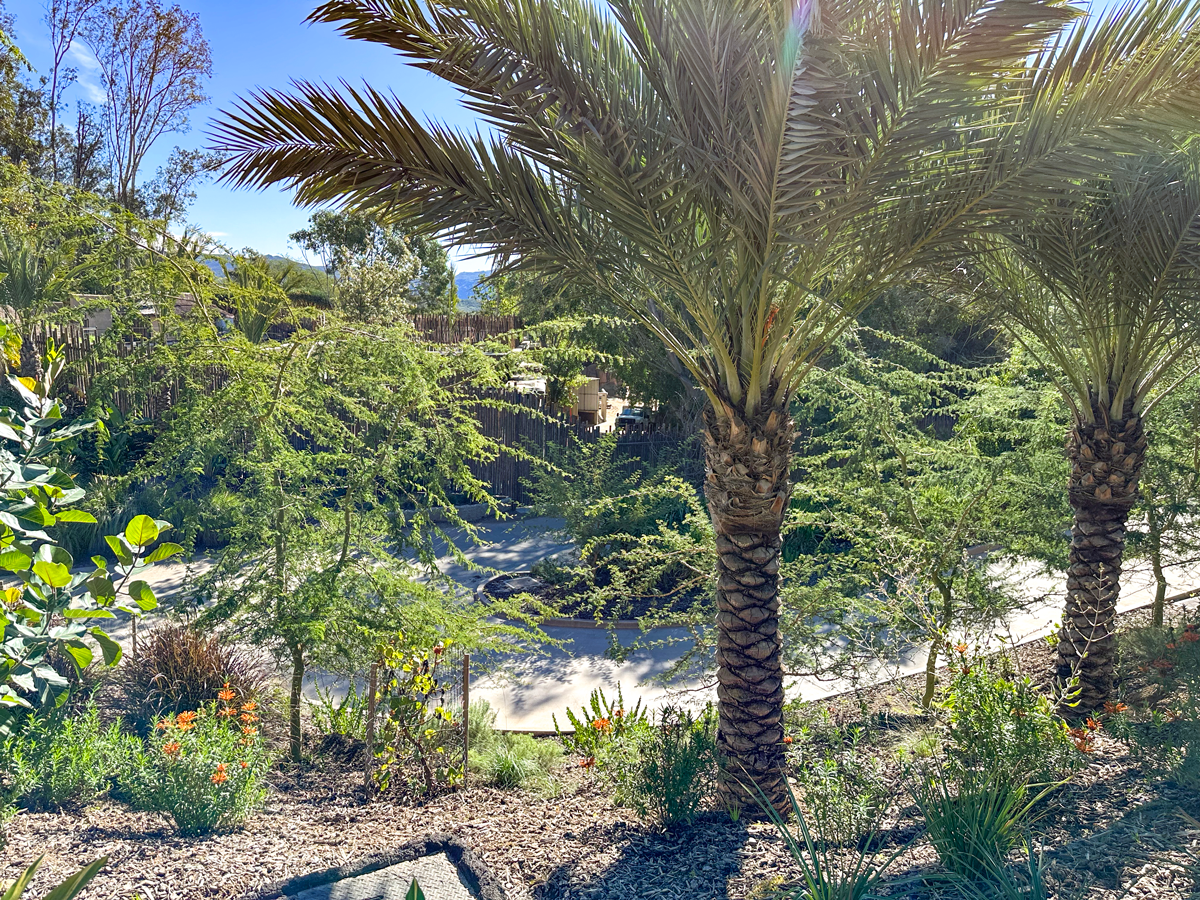
DPA utilized an incredibly strong African plant palette. Several 72,000-pound Thorn (Acacia) trees, mature Dragon Trees and large tree and clump Aloes were boxed and moved to the project from other off-exhibit areas of the Safari Park, resulting in a mature appearing landscape on opening day while showcasing unique specimens that were previously not viewable by guests.
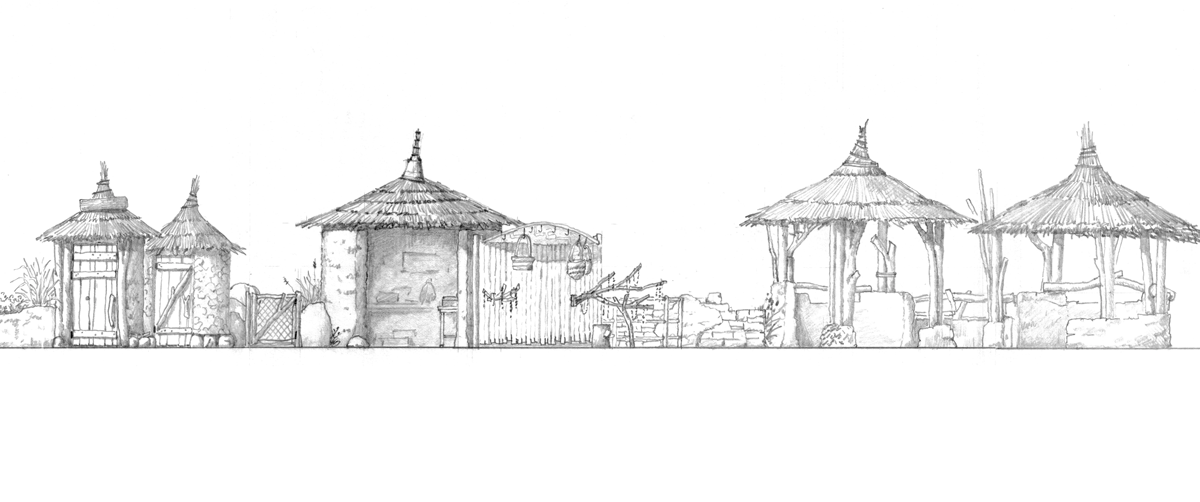
Large safari tents strategically located in the picnic area, frame views across a lawn amphitheater toward a tented stage as well as offering glimpses of elephants in the distance.
The Conundrum…
Throw a major complication into the mix — how do you remodel an elephant herd’s home while they are still living in it? Elephants are smart, extremely strong and require large spaces, so you can’t just move them to another area during construction. Being able to stage construction activities while keeping over 60% of their area accessible to them at all times became a part of the design and construction effort.
The Results
A new home for the elephants in an area that appears to be a natural part of Africa, provides guests with an immersive, personal experience while keeping the area safe for Elephants and visitors alike. Located in the center of the Safari Park, the visitor paths through Elephant Valley not only provide over ¼ mile of meandering viewing where you can be within 16’ of elephants, but also provides a critical link between the Park’s main Savanna yard to the south and the Asian and Australian areas to the north. With over 2-million visitors to the Safari Park each year and growing, Elephant Valley will enchant and inform guests for generations to come. Through an up-close experience with these huge and intelligent animals, visitors will gain an appreciation of the need for conservation in times when human / elephant interactions are ever more limiting to their survival.
The African plant palette, with many rare and unusual plants including critically endangered Cycads and plants grown from seed specifically for the project by the Park’s Horticulture Department, expands the world class botanic garden aspect of the Safari Park and their significant role in plant conservation. While out of town guests will be awed by some of these foreign looking species, locals may gain a better understanding of the wide range of plant materials that are adapted to the San Diego area’s climate.
Elephant Valley is the largest construction project undertaken in the San Diego Zoo Wildlife Alliance’s 110-year history.